
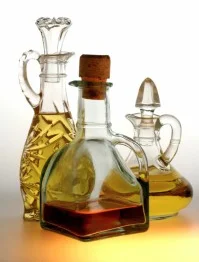
Cooking With Wine
Cooking with wine is a great way to concentrate intricate flavors and tenderize meat without adding extra fat. Depending on how you prepare your food, some or all of the alcohol in the wine will evaporate, leaving behind a sophisticated blend of flavors.

Cooking with wine is a great way to concentrate intricate flavors and tenderize meat without adding extra fat. Depending on how you prepare your food, some or all of the alcohol in the wine will evaporate, leaving behind a sophisticated blend of flavors.
The key to great flavor is to cook with wine that you would use for drinking —not the expensive bottle you’ve been saving for a special occasion— not something labeled “cooking wine” either. Cooking wine just cooks down adding a saltier flavor while drinking wines have more complex flavors, so a wine with a fruity flavor, for example, will add a concentrated fruitier flavor to your meal.
If you aren’t sure what type of wine to use, keep in mind what you are cooking and the overall flavor you want it to have – sweet, dry, spicy, etc. Wine should be added toward the end of the cooking process unless used as a marinade and if you want the flavor of wine without the alcohol, be sure to reduce your sauce until no liquid remains, keeping in mind that white wine alcohol evaporates more quickly than red.
Common Recipe Equivalents
| 1 pinch | less than 1/8 teaspoon (dry) |
|---|---|
| 1 dash | 3 drops to ¼ teaspoon (liquid) | ¼ teaspoon or less |
| 3 teaspoons | 1 tablespoon | ½ ounce (liquid and dry) |
| 2 tablespoons | 1 ounce (liquid and dry) |
| 4 tablespoons | 2 ounces (liquid and dry) | ¼ cup |
| 5 1/3 tablespoons | 1/3 cup |
| 8 tablespoons | 4 ounces | ½ cup | 1 stick butter or ¼ pound |
| 1 cup | 8 ounces (liquid) | ½ pint |
| 4 cups | 32 ounces (liquid) | 2 pints | 1 quart |
| 16 cups | 128 ounces (liquid) | 4 quarts | 1 gallon |
| 1 quart | 2 pints (dry) |
| juice of 1 lemon | 2 to 3 tablespoons |
| juice of 1 orange | about ½ cup |
- 1 pinch - less than 1/8 teaspoon (dry)
- 1 dash - 3 drops to ¼ teaspoon (liquid) | ¼ teaspoon or less
- 3 teaspoons - 1 tablespoon | ½ ounce (liquid and dry)
- 2 tablespoons - 1 ounce (liquid and dry)
- 4 tablespoons - 2 ounces (liquid and dry) | ¼ cup
- 5 1/3 tablespoons - 1/3 cup

Summertime Update For Your First Aid Kit
There’s no better time than now to update your first aid kit and make sure you’re ready for a summer of fun. As with all medications, it’s a good idea to go through them once a year and replace anything that has expired.

There’s no better time than now to update your first aid kit and make sure you’re ready for a summer of fun. As with all medications, it’s a good idea to go through them once a year and replace anything that has expired. Store your supplies either in a first aid kit or in a clear plastic container in a cabinet where they are easily found but not accessible to children. Medicines should be stored away from bathrooms and kitchens where they are subjected to heat and humidity. Each first aid kit should contain the following items:
First Aid Supplies
- Adhesive bandages
- Butterfly strip bandages
- Sterile Gauze pads
- Scissors
- Tweezers
- Cotton Balls
- Plastic zip-top bags for ice
- Disposable instant ice packs
- Disposable latex-free gloves
Medications
- Pain relievers
- Aspirin (for Adults only)
- Antihistamine
- Antibiotic ointment
- Hydrocortisone Cream
- Antiseptic ointment or wipes
- Electrolyte solution packets to mix with water
If anyone in your home is allergic to bee stings or needs special medications for allergies, asthma or other injuries, disease or disorders, be sure to necessary medications on hand for emergencies. If you live in an area prone to earthquakes or other natural occurrences, be sure to have emergency supplies on hand to protect your whole family.
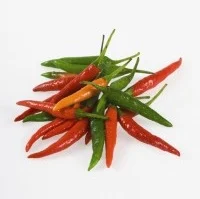
Pick a Pepper
Bring on the heat and make your dishes go from mild to wild by adding fire and flavor to your food with chile peppers. While bell peppers are sweet and mild, Habanero, the hottest, can be fiery. The heat or fire is caused by the natural chemical in peppers called capsaicin, which stimulates nerve endings in the skin.

Bring on the heat and make your dishes go from mild to wild by adding fire and flavor to your food with chile peppers. While bell peppers are sweet and mild, Habanero, the hottest, can be fiery. The heat or fire is caused by the natural chemical in peppers called capsaicin, which stimulates nerve endings in the skin.
Peppers have been consumed in the Americas since 7500 BC and were cultivated around the globe when Columbus discovered that their taste was similar to black pepper. Many cultures use some type of peppers in their cuisines because they add flavor and are believed to have medicinal benefits. Red chilis contain high amounts of vitamin C and provitamin A and are a good source of most B vitamins, B6 in particular. They are also very high in potassium, magnesium and iron. Peppers can be used raw, roasted, baked, pickled, grilled, and in powder form. Since they are so good and so good for you, why not try some today*:
Peppers
Pepper
Hotness Ranking
Notes
*As with anything, moderation is the key. If you suffer from digestive disorders such as GERD or IBS, peppers can aggravate these conditions so be sure to check with your health care provider before adding peppers to your diet.
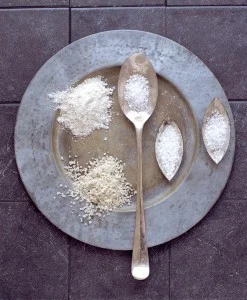
Kosher Salt Isn’t Just for Kosher Cooking

Kosher salt is called so primarily because its large crystals are used for making meats kosher. The process is done in part by sprinkling coarse salt on the surface of the meat to absorb the fluids. Kosher salt is typically free from additives commonly found in table salt, making it a favorite for cooking because it has a gentler flavor. Kosher salt is usually sold in large boxes and can be found in the spice and baking section of your market. Don’t let the large box scare you as it has many uses and has an indefinite shelf life if stored properly. A little goes a long way, so when using instead of table salt, use the conversion guide on the back of the box since some brands have larger crystals than others but keep in mind that 1 tsp of table salt = 1½–2 tsp of kosher salt. It is best used in highly liquid recipes or for rimming a beverage glass or lightly topping baked goods such as rolls, pretzels or baked potatoes before baking for a little flavorful crunch.
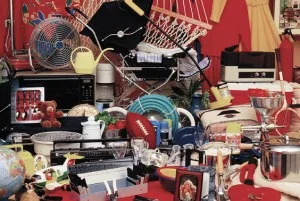
Your Garage – Auto Storage or Junk Closet
Garages have a variety of uses from a place to store your car, to a place for hobbies, but many people use their garages for storage for the many items they no longer need, taking up valuable space they could utilize for something better.

Garages have a variety of uses from a place to store your car, to a place for hobbies, but many people use their garages for storage for the many items they no longer need, taking up valuable space they could utilize for something better. Want less clutter, more space and even a few bucks to take a much needed summer vacation? Call an organization like Goodwill regarding gently used unwanted items to get a much needed tax deduction or have a fun family garage sale. It can be a very scary task at first glance but a few simple steps will make it easy and maybe even fun.
First, take stock of the contents of your garage and perhaps the closets and rooms throughout your home that are overfilled with junk and extra furniture and remove the items you no longer need. If you haven’t used it in a long time, you probably don’t need it. If you can utilize it somewhere else in your home, now is the time to make the change, otherwise let it go. Still can’t part with some items because you want to remember them forever? Take a digital photo and you’ll have the memories forever without all the clutter.
Next, do away with the dirt that surrounds all the clutter so you will have a clean slate to work with and find ways to better utilize the space in your garage. Purchase cabinets or clear plastic bins you can label to store items you need access to. Use ceiling joists to hang storage areas for items like bicycles and camping gear to give you more room to park cars. Be sure to use the joists and not hang anything too heavy for the hooks you use. Use small bins to keep items for home repair and craft projects easy to get to. Put items that can harm pets and children out of reach, such as tools, cleaning items, and chemicals.
Finally, have that garage sale and sell items for at least 50% less than you paid. People will try to bargain but don’t ask too much to start with or they won’t even be interested. Label items with removable stickers before the sale so there won’t be any confusion over pricing and have the kids help you make signs that draw traffic from the main streets near your home. Plan to have your sale when the weather is good and start early as most people that shop garage sales expect to be there early to get the best bargains. Plan to donate anything you don’t sell at the end of the day and you can still get a tax deduction for those items too. Post an ad for your garage sale on www.craigslist.org and anywhere in your community that might draw customers and tell your neighbors and friends to stop by. Enjoy the rewards…. a clutter free garage to park your car, a place to do hobbies, or just a few extra bucks in your pocket from getting rid of items better utilized in someone elses’s garage.
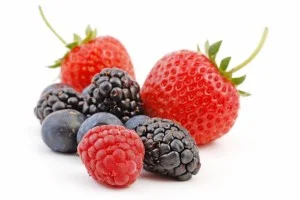
Berry Delicious
Fresh, colorful berries at your local supermarket or farmer’s market are a sure sign that summer is here. Some sweet, others tart, berries are a delicious and nutritious treat and can be eaten whole, served fresh, frozen or in baked goods. Berries are available all year from a variety of sources, though most are considered summer fruits.

Fresh, colorful berries at your local supermarket or farmer’s market are a sure sign that summer is here. Some sweet, others tart, berries are a delicious and nutritious treat and can be eaten whole, served fresh, frozen or in baked goods. Berries are available all year from a variety of sources, though most are considered summer fruits. They are best consumed within 2-3 days and should be washed just prior to serving but can be kept frozen for up to a year.
Berries are a great fat-free source of nutrients such as vitamin C, fiber, and antioxidants and should be included in your daily recommended 5 servings of fruits and vegetables for optimal health. Eat fresh, dried, canned, as a jelly or jam or add as a topping to cereals, yogurt, waffles, ice cream, salads and sorbet, or add to your favorite smoothie, beverage, sauces and baked goods such as pies, tarts, and cakes.
Berry Varieties
- Blackberry
- Black/Red Grape
- Blueberry
- Boysenberry
- Cranberry
- Currant
- Gooseberry
- Green Grape
- Lingonberry
- Loganberry
- Mulberry
- Fuyu Persimmon
- Hachuya Persimmon
- Raspberry
- Strawberry
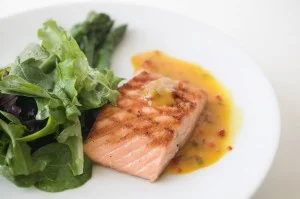
Smoked Salmon
Smoked salmon is typically a fillet that has been cured and then hot or cold smoked. Due to its moderately high price, smoked salmon is considered a delicacy. Since salmon is a large and fatty fish, it’s an excellent fish for smoking, which gives it a very distinct, smoky flavor and light texture.

Smoked salmon is typically a fillet that has been cured and then hot or cold smoked. Due to its moderately high price, smoked salmon is considered a delicacy. Since salmon is a large and fatty fish, it’s an excellent fish for smoking, which gives it a very distinct, smoky flavor and light texture. There are two ways to prepare smoked salmon, either cold-smoked or hot-smoked, which are very different.
Cold-smoked salmon is usually frozen first to kill parasites and is not cooked, but salt cured, usually in a flavored brine, then air-dried in a cool place to allow the smoke to penetrate. It’s then smoked at a very low heat to lend a smoky flavor and a silken texture best for salads, appetizers, on bagels and other cold preparations.
Hot-smoked salmon can be served hot or cold because it’s actually slow-cooked and is best in such things as eggs, pastas, and potato dishes. The process of hot smoking salmon is similar to cold-smoked, cured or not, but it is slowly cooked in a smoker, making it similar to cooked fresh salmon.
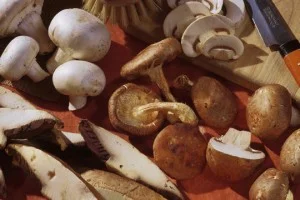
Mushrooms
Mushrooms are a great low-calorie, sodium-free, fat-free source of potassium and other nutrients and lend a fun flavor and texture to stir-fries, casseroles, pastas, rice dishes, pizza, meat dishes, burgers, salads and more.

Mushrooms are a great low-calorie, sodium-free, fat-free source of potassium and other nutrients and lend a fun flavor and texture to stir-fries, casseroles, pastas, rice dishes, pizza, meat dishes, burgers, salads and more. Available in many varieties, mushrooms are a great addition to a multitude of dishes and are even great as a grilled, sautéed, baked or fried side dish. Be sure, however, to use fresh, closed-gill varieties from your market as the ones that are decaying or picked from your own garden may be poisonous/toxic. Try marinating, stuffing, pickling or many other options for enjoying mushrooms.
Portobello mushrooms are often consumed by vegetarians as well as those who are watching their intake of fat, cholesterol and calories because of their larger, thicker, fleshier cap and distinct meaty texture. Portobellos can be eaten in place of a burger, marinated, grilled, roasted, sautéed, stuffed, baked or fried for a delicious, lighter, vegetarian meal or as an addition to meat and be kept frozen after cooking for several months. Be sure to wash gently and remove the gills on the underside of the cap by gently scraping, before cooking, as they have a bitter taste and a dark coloring when cooked.
Visit www.mushroomcouncil.com for more information.

Steamy Vegetables
Whether served raw or cooked, vegetables are excellent sources of vital nutrients for our bodies to function properly. Each vegetable provides something different so, as with any food, its a good idea to have variety to gain the maximum nutritional benefits as well as experience the many flavors and textures out there.

Whether served raw or cooked, vegetables are excellent sources of vital nutrients for our bodies to function properly. Each vegetable provides something different so, as with any food, its a good idea to have variety to gain the maximum nutritional benefits as well as experience the many flavors and textures out there. One of the best ways to cook vegetables easily and still retain the color, texture, flavor and nutrients is to steam them. If you don’t have a steamer, you can simply use a saucepan on your stovetop or your microwave and achieve the same results.
To steam on the stovetop, you will need a large cooking pot and a steamer basket or collander that fits inside. Fill the pot with enough water to touch the bottom of the colander or steamer basket. Once the water comes to a boil, add vegetables and loosely cover to let the steam escape. You can even add some herbs to the cooking water for added flavor and aroma. When steaming in the microwave, place your vegetables in a microwave-safe bowl, add a few tablespoons of water, cover with microwave safe plastic wrap, leaving one corner open to vent.
All vegetables have different cooking times depending on their size and thickness, but most take no more than a few minutes. For the more commonly steamed vegetables, refer to the following chart:
| Vegetable | Stovetop Steam Time | Microwave Steam Time |
|---|---|---|
| Asparagus | 4-6 minutes depending on thickness (will be darker color when done) | 4-6 minutes depending on thickness (will be darker color when done) |
| Broccoli | 5 minutes (will be darker color when done) | 3-5 minutes (will be darker color when done) |
| Brussel sprouts | 10 minutes | 7 minutes |
| Carrots | Sliced ¼” thick 6-8 minutes | Sliced ¼” thick 5 minutes |
| Cauliflower | 6 minutes | 3-4 minutes |
| Green Beans | 5 minutes | 3-4 minutes |
| Peas | 3 minutes | 1-2 minutes |
| Zucchini | 6-7 minutes | 6-8 minutes |
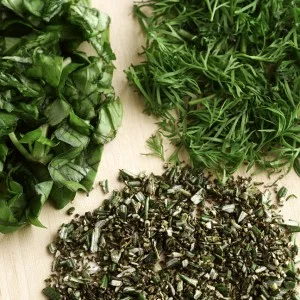
Herbs on the Chopping Block
Fresh herbs are an easy, aromatic way to add flavor to your meals without adding fat and calories. The amount of chopping required depends on the dish you are cooking. Some dishes require flavor without diminishing the overall appearance of the dish, such as when cooking fish, chicken or meat, so finely chopped herbs work best.

Fresh herbs are an easy, aromatic way to add flavor to your meals without adding fat and calories. The amount of chopping required depends on the dish you are cooking. Some dishes require flavor without diminishing the overall appearance of the dish, such as when cooking fish, chicken or meat, so finely chopped herbs work best. For the best flavor and aroma, fresh herbs are best added toward the end of the cooking process for just enough time to infuse flavor but not so long that they are overcooked or take over the dish. You can always use a whole leaf or sprig of the herb as a garnish on the plate. Keep in mind that the amount used fresh is different. Salads and salsas, however, benefit from larger leaves chopped just enough to release their flavor but leave them easily identifiable and very much a part of the appearance as well as the flavor and aroma of the dish. Be sure to rinse your herbs in cool water and pat dry thoroughly before chopping to maintain crisp leaves and avoid creating a paste.

Turn On a Greener Light to Save Money
Switch your light bulbs to compact fluorescents (CFL) and you will see clearly that you are saving money and helping the environment. Experts agree that if every American home replaced just one traditional light bulb with a CFL, the country would save more than $600 million dollars a year on energy costs.

Switch your light bulbs to compact fluorescents (CFL) and you will see clearly that you are saving money and helping the environment. Experts agree that if every American home replaced just one traditional light bulb with a CFL, the country would save more than $600 million dollars a year on energy costs. Compact fluorescents have been in use for many years and the results have been astounding. CFLs use 75% less energy, last up to 10x longer, and produce less heat. Additionally, CFLs can save you $30-$60 over the life of each bulb you install and help reduce the demand for electricity, thereby delaying the need for new power plants. Visit www.energystar.gov/cfls for more information.
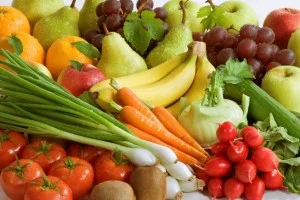
Ideal Storage for Fruits and Vegetables
Ever wonder why some of your fruits and vegetables don’t seem fresh or taste right so quickly after you purchase them in perfect condition? Though fruits like berries don’t have a long shelf life many last longer just by having proper storage.

Ever wonder why some of your fruits and vegetables don’t seem fresh or taste right so quickly after you purchase them in perfect condition? Though fruits like berries don’t have a long shelf life many last longer just by having proper storage. If you can, always try to keep fruits stored separately from vegetables because some produce natural chemicals or odors that change the freshness and taste of other fruits and veggies. Additionally, some produce should be refrigerated while others just need to be kept from extreme temperatures. Once cut, all fruits and vegetables should be kept refrigerated for no more than 3 days.
Leave Out of Refrigerator but Keep From Heat:
- Avocados (unripe)
- Bananas
- Grapefruit
- Kiwi (Unripe)
- Limes
- Mangos
- Nectarines (Unripe)
- Onion (dry)
- Pears (Unripe)
- Plantains
- Plums (Unripe)
- Pumpkins
- Shallots
- Squash (Winter)
- Sweet Potatoes
- Tomatoes
- Watermelons (Whole – Uncut)

Hands-free Driving
With an increasing number of states passing laws making cell phone use during driving illegal without a hands-free device, many people are left wondering why.

With an increasing number of states passing laws making cell phone use during driving illegal without a hands-free device, many people are left wondering why. Experts say that talking on the phone reduces the ability to concentrate on driving by 37% for adults and 50% for teenagers. If you aren’t paying attention to the driving task, you are much more likely to be involved in a traffic accident causing damage, injury or even death. The best solution, as recommended by the Insurance Institute for Highway Safety, is to make your calls when you are not driving. If you must make a call while driving, be sure to follow the laws and make driving the priority.

Composting
According to the US Environmental Protection Agency (EPA), yard and food waste together constitute 24 percent of the U.S. municipal solid waste that loads up landfills when it could become useful and environmentally beneficial compost.

According to the US Environmental Protection Agency (EPA), yard and food waste together constitute 24 percent of the U.S. municipal solid waste that loads up landfills when it could become useful and environmentally beneficial compost. Composting is very easy and the resulting organic material can be used as a soil amendment or as a medium to grow outdoor plants.
Natural composting is basically biological decomposition, and began with the first plants on earth and continues to this day. When vegetation falls to the ground and slowly decays, it provides minerals and nutrients needed for plants, animals, and microorganisms. Modern composting technology includes heat to destroy pathogens and weeds.
Composting is not only easy and a great way to keep our landfill space to a minimum, it can also suppress plant diseases and pests and reduce or eliminate the need for chemical fertilizers. Composting has been shown to promote higher yields of crops and in nature, is a cost-effective means to facilitate reforestation, wetlands restoration, and habitat revitalization efforts. It can also be used to remove solids, oil, grease, and heavy metals from stormwater runoff and capture and destroy 99.6 percent of industrial volatile organic chemicals (VOCs) in contaminated air.
Things You Should Compost
- Animal manure
- Cardboard rolls
- Clean paper
- Coffee grounds and filters
- Cotton rags
- Dryer and vacuum cleaner lint
- Eggshells
- Fireplace ashes
- Fruits and vegetables
- Grass clippings
- Hair and fur
- Hay and straw
- Houseplants
- Leaves
- Nut shells
- Sawdust
- Shredded newspaper
- Tea bags
- Wood chips
- Wool rags
- Yard trimmings
Things You Should Not Compost
- Black walnut tree leaves or twigs
- Coal or charcoal ash
- Dairy products
- Diseased or insect-ridden plants
- Fats, grease, lard, or oils
- Meat or fish bones and scraps
- Pet wastes
- Yard trimmings treated with chemical pesticides
For more information about composting, visit the EPA’s website www.epa.gov/epawaste/conserve/rrr/composting.