
Spice up your Turkey
A Thanksgiving menu generally consists of the traditional turkey, stuffi ng, mashed potatoes, cranberry sauce and corn. Although this is a fi ne menu to serve to your guests, you may want to add a few additional Latin inspired items or change up your recipes like adding mango salsa to your cranberry sauce to spice up your menu.

A Thanksgiving menu generally consists of the traditional turkey, stuffing, mashed potatoes, cranberry sauce and corn. Although this is a fi ne menu to serve to your guests, you may want to add a few additional Latin inspired items or change up your recipes like adding mango salsa to your cranberry sauce to spice up your menu.
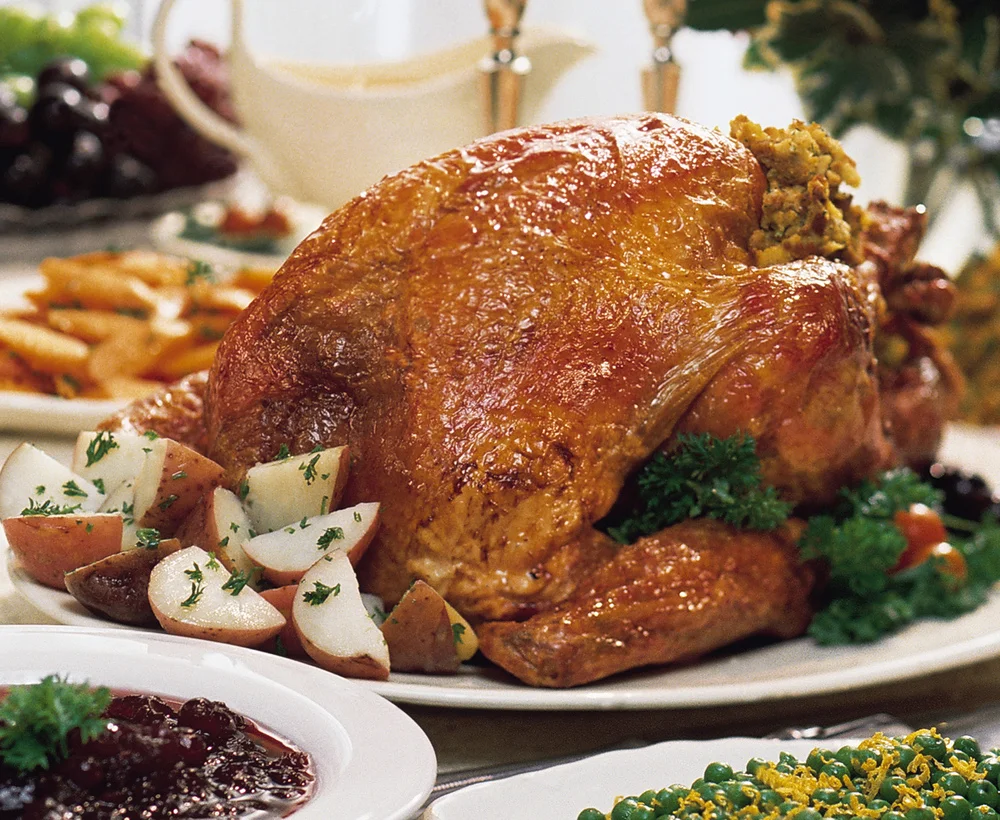
Turkey is great for all year end celebrations. I like to place my turkey in the pan breast side don for the fi rst 3/4 of the cooking time so that the natural juices drip down into the breast ,and then fl ip it over for the last 1/4 time turning up the heat by around 50 degrees. When cooking, I love natural, lots of flavor and easy solutions, so I prepare my turkeys with my Chef LaLa Homemade Orange Chipotle Marinade. The citrus in orange acts as a natural tenderizer and the natural sugars in the orange caramelize the skin adding a beautiful color and crispy texture without having to add a lot of extra fat.
Also, The smokiness from the chipotle pepper compliments the bold fl avor of turkey. The drippings from the turkey are amazing when you add a bit of cornstarch, your family and guest will be delighted with a spicy twist on gravy.
Get to Know Your Herbs

Herbs can make any dish taste amazing, but you really have to know how to use them. Chef LaLa will show you how to compliment and enhance flavors without all the calories and fat.
Cooking With Wine
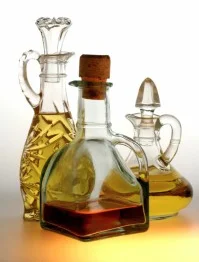
Cooking with wine is a great way to concentrate intricate flavors and tenderize meat without adding extra fat. Depending on how you prepare your food, some or all of the alcohol in the wine will evaporate, leaving behind a sophisticated blend of flavors.

Cooking with wine is a great way to concentrate intricate flavors and tenderize meat without adding extra fat. Depending on how you prepare your food, some or all of the alcohol in the wine will evaporate, leaving behind a sophisticated blend of flavors.
The key to great flavor is to cook with wine that you would use for drinking —not the expensive bottle you’ve been saving for a special occasion— not something labeled “cooking wine” either. Cooking wine just cooks down adding a saltier flavor while drinking wines have more complex flavors, so a wine with a fruity flavor, for example, will add a concentrated fruitier flavor to your meal.
If you aren’t sure what type of wine to use, keep in mind what you are cooking and the overall flavor you want it to have – sweet, dry, spicy, etc. Wine should be added toward the end of the cooking process unless used as a marinade and if you want the flavor of wine without the alcohol, be sure to reduce your sauce until no liquid remains, keeping in mind that white wine alcohol evaporates more quickly than red.
Playing it Safe with Meat
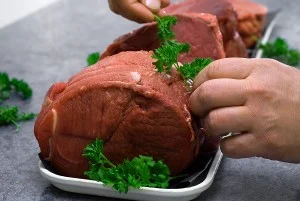
Whether you are looking forward to a juicy grilled chicken breast, a burger or filet mignon, you should always play it safe by following a few simple rules for purchasing, storing and preparing meat.

Whether you are looking forward to a juicy grilled chicken breast, a burger or filet mignon, you should always play it safe by following a few simple rules for purchasing, storing and preparing meat. When in doubt, throw it out so you don’t get sick, especially if you are serving it to children, the elderly or anyone whose immune system is weakened and are even more susceptible to bacteria found in meat.
- Be sure to refrigerate fresh meat within 2 hours of buying it as it will spoil if left at room temperature and never thaw frozen meat at room temperature or it will spoil. Defrost in the refrigerator overnight for boneless or 2 days for bone-in or submerge frozen meat sealed in air-tight packaging in cold water for an hour.
- Cook meat soon after you buy it. Whole pieces of beef, lamb or veal will stay fresh in a refrigerator for three to five days, but ground meat lasts two days.
- Whole pieces of meat, like beef, veal, lamb steaks or chops, should be cooked to at least 145 degrees F (medium rare) in order to kill surface bacteria. Cook to 160 degrees F (medium) or 170 degrees F (well done) and chicken to 165 degrees to cook thoroughly and be safest.
- Ground meat should be cooked to a minimum of 160 degrees and chicken to 165 F because when ground, surface bacteria can be spread throughout the meat so it is not safe to serve hamburgers or meat loaf underdone, especially when serving to children, the elderly and anyone whose immune system may be compromised.
- Use a meat thermometer to be certain the meat has reached a safe temperature. Don’t rely on the color as meat can change color before it has reached a safe temperature. Be sure to insert the thermometer into the thickest part of the meat.
- Keep cooked meat at 140 degrees F when serving and refrigerate leftovers within two hours. Meat left out longer is likely to have harmful bacteria and should not be consumed.
- Throw out refrigerated leftovers after four days.
Common Recipe Equivalents
| 1 pinch | less than 1/8 teaspoon (dry) |
|---|---|
| 1 dash | 3 drops to ¼ teaspoon (liquid) | ¼ teaspoon or less |
| 3 teaspoons | 1 tablespoon | ½ ounce (liquid and dry) |
| 2 tablespoons | 1 ounce (liquid and dry) |
| 4 tablespoons | 2 ounces (liquid and dry) | ¼ cup |
| 5 1/3 tablespoons | 1/3 cup |
| 8 tablespoons | 4 ounces | ½ cup | 1 stick butter or ¼ pound |
| 1 cup | 8 ounces (liquid) | ½ pint |
| 4 cups | 32 ounces (liquid) | 2 pints | 1 quart |
| 16 cups | 128 ounces (liquid) | 4 quarts | 1 gallon |
| 1 quart | 2 pints (dry) |
| juice of 1 lemon | 2 to 3 tablespoons |
| juice of 1 orange | about ½ cup |
- 1 pinch - less than 1/8 teaspoon (dry)
- 1 dash - 3 drops to ¼ teaspoon (liquid) | ¼ teaspoon or less
- 3 teaspoons - 1 tablespoon | ½ ounce (liquid and dry)
- 2 tablespoons - 1 ounce (liquid and dry)
- 4 tablespoons - 2 ounces (liquid and dry) | ¼ cup
- 5 1/3 tablespoons - 1/3 cup
Pick a Pepper
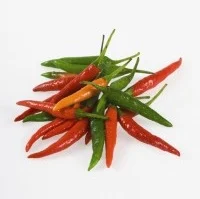
Bring on the heat and make your dishes go from mild to wild by adding fire and flavor to your food with chile peppers. While bell peppers are sweet and mild, Habanero, the hottest, can be fiery. The heat or fire is caused by the natural chemical in peppers called capsaicin, which stimulates nerve endings in the skin.

Bring on the heat and make your dishes go from mild to wild by adding fire and flavor to your food with chile peppers. While bell peppers are sweet and mild, Habanero, the hottest, can be fiery. The heat or fire is caused by the natural chemical in peppers called capsaicin, which stimulates nerve endings in the skin.
Peppers have been consumed in the Americas since 7500 BC and were cultivated around the globe when Columbus discovered that their taste was similar to black pepper. Many cultures use some type of peppers in their cuisines because they add flavor and are believed to have medicinal benefits. Red chilis contain high amounts of vitamin C and provitamin A and are a good source of most B vitamins, B6 in particular. They are also very high in potassium, magnesium and iron. Peppers can be used raw, roasted, baked, pickled, grilled, and in powder form. Since they are so good and so good for you, why not try some today*:
Peppers
Pepper
Hotness Ranking
Notes
*As with anything, moderation is the key. If you suffer from digestive disorders such as GERD or IBS, peppers can aggravate these conditions so be sure to check with your health care provider before adding peppers to your diet.
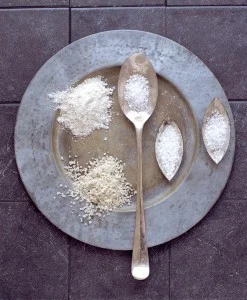
Kosher Salt Isn’t Just for Kosher Cooking

Kosher salt is called so primarily because its large crystals are used for making meats kosher. The process is done in part by sprinkling coarse salt on the surface of the meat to absorb the fluids. Kosher salt is typically free from additives commonly found in table salt, making it a favorite for cooking because it has a gentler flavor. Kosher salt is usually sold in large boxes and can be found in the spice and baking section of your market. Don’t let the large box scare you as it has many uses and has an indefinite shelf life if stored properly. A little goes a long way, so when using instead of table salt, use the conversion guide on the back of the box since some brands have larger crystals than others but keep in mind that 1 tsp of table salt = 1½–2 tsp of kosher salt. It is best used in highly liquid recipes or for rimming a beverage glass or lightly topping baked goods such as rolls, pretzels or baked potatoes before baking for a little flavorful crunch.
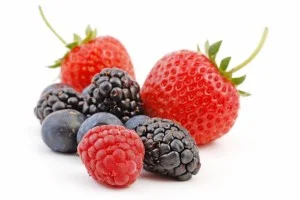
Berry Delicious
Fresh, colorful berries at your local supermarket or farmer’s market are a sure sign that summer is here. Some sweet, others tart, berries are a delicious and nutritious treat and can be eaten whole, served fresh, frozen or in baked goods. Berries are available all year from a variety of sources, though most are considered summer fruits.

Fresh, colorful berries at your local supermarket or farmer’s market are a sure sign that summer is here. Some sweet, others tart, berries are a delicious and nutritious treat and can be eaten whole, served fresh, frozen or in baked goods. Berries are available all year from a variety of sources, though most are considered summer fruits. They are best consumed within 2-3 days and should be washed just prior to serving but can be kept frozen for up to a year.
Berries are a great fat-free source of nutrients such as vitamin C, fiber, and antioxidants and should be included in your daily recommended 5 servings of fruits and vegetables for optimal health. Eat fresh, dried, canned, as a jelly or jam or add as a topping to cereals, yogurt, waffles, ice cream, salads and sorbet, or add to your favorite smoothie, beverage, sauces and baked goods such as pies, tarts, and cakes.
Berry Varieties
- Blackberry
- Black/Red Grape
- Blueberry
- Boysenberry
- Cranberry
- Currant
- Gooseberry
- Green Grape
- Lingonberry
- Loganberry
- Mulberry
- Fuyu Persimmon
- Hachuya Persimmon
- Raspberry
- Strawberry
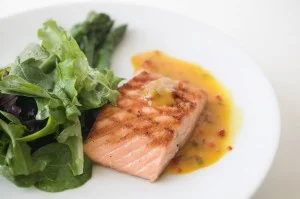
Smoked Salmon
Smoked salmon is typically a fillet that has been cured and then hot or cold smoked. Due to its moderately high price, smoked salmon is considered a delicacy. Since salmon is a large and fatty fish, it’s an excellent fish for smoking, which gives it a very distinct, smoky flavor and light texture.

Smoked salmon is typically a fillet that has been cured and then hot or cold smoked. Due to its moderately high price, smoked salmon is considered a delicacy. Since salmon is a large and fatty fish, it’s an excellent fish for smoking, which gives it a very distinct, smoky flavor and light texture. There are two ways to prepare smoked salmon, either cold-smoked or hot-smoked, which are very different.
Cold-smoked salmon is usually frozen first to kill parasites and is not cooked, but salt cured, usually in a flavored brine, then air-dried in a cool place to allow the smoke to penetrate. It’s then smoked at a very low heat to lend a smoky flavor and a silken texture best for salads, appetizers, on bagels and other cold preparations.
Hot-smoked salmon can be served hot or cold because it’s actually slow-cooked and is best in such things as eggs, pastas, and potato dishes. The process of hot smoking salmon is similar to cold-smoked, cured or not, but it is slowly cooked in a smoker, making it similar to cooked fresh salmon.

Mushrooms
Mushrooms are a great low-calorie, sodium-free, fat-free source of potassium and other nutrients and lend a fun flavor and texture to stir-fries, casseroles, pastas, rice dishes, pizza, meat dishes, burgers, salads and more.

Mushrooms are a great low-calorie, sodium-free, fat-free source of potassium and other nutrients and lend a fun flavor and texture to stir-fries, casseroles, pastas, rice dishes, pizza, meat dishes, burgers, salads and more. Available in many varieties, mushrooms are a great addition to a multitude of dishes and are even great as a grilled, sautéed, baked or fried side dish. Be sure, however, to use fresh, closed-gill varieties from your market as the ones that are decaying or picked from your own garden may be poisonous/toxic. Try marinating, stuffing, pickling or many other options for enjoying mushrooms.
Portobello mushrooms are often consumed by vegetarians as well as those who are watching their intake of fat, cholesterol and calories because of their larger, thicker, fleshier cap and distinct meaty texture. Portobellos can be eaten in place of a burger, marinated, grilled, roasted, sautéed, stuffed, baked or fried for a delicious, lighter, vegetarian meal or as an addition to meat and be kept frozen after cooking for several months. Be sure to wash gently and remove the gills on the underside of the cap by gently scraping, before cooking, as they have a bitter taste and a dark coloring when cooked.
Visit www.mushroomcouncil.com for more information.

Steamy Vegetables
Whether served raw or cooked, vegetables are excellent sources of vital nutrients for our bodies to function properly. Each vegetable provides something different so, as with any food, its a good idea to have variety to gain the maximum nutritional benefits as well as experience the many flavors and textures out there.

Whether served raw or cooked, vegetables are excellent sources of vital nutrients for our bodies to function properly. Each vegetable provides something different so, as with any food, its a good idea to have variety to gain the maximum nutritional benefits as well as experience the many flavors and textures out there. One of the best ways to cook vegetables easily and still retain the color, texture, flavor and nutrients is to steam them. If you don’t have a steamer, you can simply use a saucepan on your stovetop or your microwave and achieve the same results.
To steam on the stovetop, you will need a large cooking pot and a steamer basket or collander that fits inside. Fill the pot with enough water to touch the bottom of the colander or steamer basket. Once the water comes to a boil, add vegetables and loosely cover to let the steam escape. You can even add some herbs to the cooking water for added flavor and aroma. When steaming in the microwave, place your vegetables in a microwave-safe bowl, add a few tablespoons of water, cover with microwave safe plastic wrap, leaving one corner open to vent.
All vegetables have different cooking times depending on their size and thickness, but most take no more than a few minutes. For the more commonly steamed vegetables, refer to the following chart:
| Vegetable | Stovetop Steam Time | Microwave Steam Time |
|---|---|---|
| Asparagus | 4-6 minutes depending on thickness (will be darker color when done) | 4-6 minutes depending on thickness (will be darker color when done) |
| Broccoli | 5 minutes (will be darker color when done) | 3-5 minutes (will be darker color when done) |
| Brussel sprouts | 10 minutes | 7 minutes |
| Carrots | Sliced ¼” thick 6-8 minutes | Sliced ¼” thick 5 minutes |
| Cauliflower | 6 minutes | 3-4 minutes |
| Green Beans | 5 minutes | 3-4 minutes |
| Peas | 3 minutes | 1-2 minutes |
| Zucchini | 6-7 minutes | 6-8 minutes |
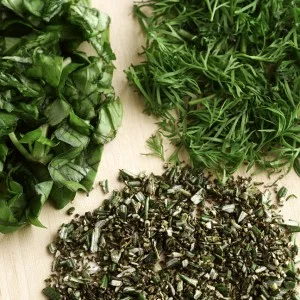
Herbs on the Chopping Block
Fresh herbs are an easy, aromatic way to add flavor to your meals without adding fat and calories. The amount of chopping required depends on the dish you are cooking. Some dishes require flavor without diminishing the overall appearance of the dish, such as when cooking fish, chicken or meat, so finely chopped herbs work best.

Fresh herbs are an easy, aromatic way to add flavor to your meals without adding fat and calories. The amount of chopping required depends on the dish you are cooking. Some dishes require flavor without diminishing the overall appearance of the dish, such as when cooking fish, chicken or meat, so finely chopped herbs work best. For the best flavor and aroma, fresh herbs are best added toward the end of the cooking process for just enough time to infuse flavor but not so long that they are overcooked or take over the dish. You can always use a whole leaf or sprig of the herb as a garnish on the plate. Keep in mind that the amount used fresh is different. Salads and salsas, however, benefit from larger leaves chopped just enough to release their flavor but leave them easily identifiable and very much a part of the appearance as well as the flavor and aroma of the dish. Be sure to rinse your herbs in cool water and pat dry thoroughly before chopping to maintain crisp leaves and avoid creating a paste.
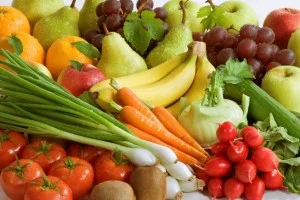
Ideal Storage for Fruits and Vegetables
Ever wonder why some of your fruits and vegetables don’t seem fresh or taste right so quickly after you purchase them in perfect condition? Though fruits like berries don’t have a long shelf life many last longer just by having proper storage.

Ever wonder why some of your fruits and vegetables don’t seem fresh or taste right so quickly after you purchase them in perfect condition? Though fruits like berries don’t have a long shelf life many last longer just by having proper storage. If you can, always try to keep fruits stored separately from vegetables because some produce natural chemicals or odors that change the freshness and taste of other fruits and veggies. Additionally, some produce should be refrigerated while others just need to be kept from extreme temperatures. Once cut, all fruits and vegetables should be kept refrigerated for no more than 3 days.
Leave Out of Refrigerator but Keep From Heat:
- Avocados (unripe)
- Bananas
- Grapefruit
- Kiwi (Unripe)
- Limes
- Mangos
- Nectarines (Unripe)
- Onion (dry)
- Pears (Unripe)
- Plantains
- Plums (Unripe)
- Pumpkins
- Shallots
- Squash (Winter)
- Sweet Potatoes
- Tomatoes
- Watermelons (Whole – Uncut)
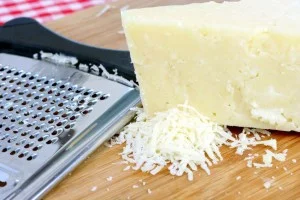
Grate Cheese
Cheese is a great addition to your diet for flavor, protein and calcium. Not all cheeses are alike so check the nutritional content for the serving size you will use and for the fullest flavor, get out your grater because freshly grated cheese tastes best and makes a great topping to many dishes.
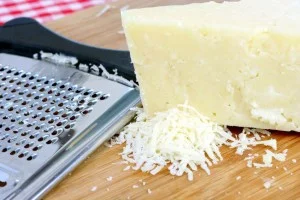
Cheese is a great addition to your diet for flavor, protein and calcium. Not all cheeses are alike so check the nutritional content for the serving size you will use and for the fullest flavor, get out your grater because freshly grated cheese tastes best and makes a great topping to many dishes. Parmesan cheese, for example, adds a lot of flavor, protein and calcium to many pastas, sauces, soups and more. Though you can use the typical grater found in many kitchens for veggies and softer cheeses, harder cheeses like parmesan have more intense flavor and are better grated or shaved. Invest in a grater for less than $20 for the top rated brands and create the texture and size you prefer and you’ll be glad you did. Cheeses can be served peeled, julienned, finely grated, shaved, thickly grated, as ribbons, fine flakes or zested. Enjoy!
15 Basic Kitchen Tools
Any way you slice it, dice it or shred it, eat well to live well! Having the right tools to help you prepare meals and snacks will make cooking fun, easy, nutritious and delicious. You only need a few basic food preparation items to get started on your path to eating well, feeling great and even saving money by preparing food at home. As you become more comfortable cooking, you can add other items, depending on your needs but here are the 15 basics…

Any way you slice it, dice it or shred it, eat well to live well! Having the right tools to help you prepare meals and snacks will make cooking fun, easy, nutritious and delicious. You only need a few basic food preparation items to get started on your path to eating well, feeling great and even saving money by preparing food at home. As you become more comfortable cooking, you can add other items, depending on your needs but here are the 15 basics…
| Tool | Purpose | |
|---|---|---|
| For more information about food sensitivities or allergies, contact your health care provider. | ||
| Non-slip Plastic Cutting board | Prevents slipping and protects food and counters. Be sure to prep meats last and wash well before using again | |
| Chef’s Knife | Used for chopping everything from herbs to vegetables | |
| Paring Knife | Good for delicate tasks such as peeling, coring, or trimming | |
| Serrated Knife | Best for foods that have a different texture inside versus outside such as breads, tomatoes, and meats | |
| Knife Sharpening Steel | All knives work best when sharpened briefly prior to use | |
| Strainer | Choose a stand-alone for washing fruits and vegetables and straining pastas | |
| Grater | Use for veggies, cheeses and more as toppings, and in salads, and slaws | |
| Large Skillet with Lid | Great for browning, sautéing, frying, omelets, pancakes, and stir-fries | |
| Saucepan with Lid | Great for rice, smaller servings, and sauces | |
| Large Cooking Pot with Lid | Best for soups, pastas, and steamed veggies | |
| Mixing Bowls, Measuring Spoons and Cup | Essential for preparation and when clean bowls can also be used for serving | |
| Large Spoon and Spatula | Use plastic or rubber for non-stick surfaces and remove quickly so they don’t melt | |
| Pot Holders | Hot steam and handles on pots and pans can easily burn | |
| Meat Thermometer | To be sure meat is safely cooked, test the internal temperature with a meat thermometer | |
| Jellyroll Pan | Used for baking meats, veggies or cookies | |