

Filet Mignon
One of the finest cuts of meat if filet mignon. It’s preferred by many, but a lot of people are intimidated to cook it at home. It has very little marbling, making it easy to dry it out – so you have to be careful about how you cook it…

One of the finest cuts of meat if filet mignon. It’s preferred by many, but a lot of people are intimidated to cook it at home. It has very little marbling, making it easy to dry it out – so you have to be careful about how you cook it…

Uno de los mejores cortes de carne si filet mignon. Es preferido por muchos, pero mucha gente se intimida para cocinar en casa. Tiene veteado muy poco, lo que es fácil que se seque - lo que hay que tener cuidado acerca de cómo se cocina…
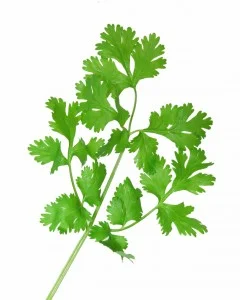
8 Ways to use Cilantro (Sih-LAHN-troh)
 Cilantro (Sih-LAHN-troh), also known as coriander, Mexican Parsley or Chinese parsley, is a wonderful, delicate year-round herb, thought to be an aphrodisiac and have healing properties, and adds great flavor to a variety of foods.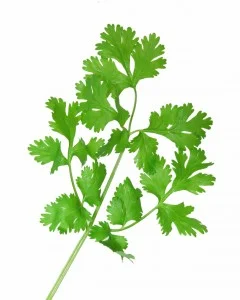
Cilantro (Sih-LAHN-troh), also known as coriander, Mexican Parsley or Chinese parsley, is a wonderful, delicate year-round herb, thought to be an aphrodisiac and have healing properties, and adds great flavor to a variety of foods.
Cilantro is the leaf of the plant while coriander, from the same plant, is the seed and has a very different flavor. One cannot be substituted for the other, though some countries refer to cilantro as coriander, so when recipes call for fresh coriander or coriander leaves, they are referring to the cilantro leaf.
Dishes made from the Cilantro plant, whether in the form of leaves as cilantro or seeds as coriander, are commonly found in a variety of cuisines including Middle Eastern, Mediterranean, Indian, South Asian, Mexican, Latin American, Chinese, African and Southeast Asian. Culantro, an herb related to cilantro, is widely used throughout the Caribbean, Latin America, and the Far East.
Fresh herbs really have the best aroma and flavor, so look for fresh cilantro in your supermarket produce department, sold in bunches similar to flat-leaf parsley. Look for unwilted leaves that are medium green in color. Cilantro can be stored in the refrigerator in a plastic bag for up to a week and should be washed in cool water and patted dry before use. Roll a bunch, stems and all and chop into small pieces.
Try some cilantro today….
- Roll goat cheese in chopped cilantro
- Use cilantro leaves instead of basil in tomato-mozarella salad
- Sprinkle 1tbsp chopped cilantro over scrambled eggs
- Add a few leaves to grilled cheese sandwiches
- Use a bunch as a brush to baste veggies on the grill
- Garnish Bloody Mary’s with a whole sprig or two
- Use in marinades for chicken, fish, shellfish, lamb, and pork
- Use in salsas and in sauces such as pesto, chutney, and tzaziki
How to Eat Well With Rising Food Costs
Food is fuel for our bodies to survive, so just like your car needs fuel to go, you need to eat. It’s what you eat, however, that makes a difference. Eating well means eating fresh fruits, vegetables, whole grains, etc, which are often more expensive than packaged foods with tons of preservatives, salt, sugar, and things we can’t easily pronounce. They aren’t good for us but seem too good to pass up when we’re in a hurry to get food on the table for our families.
Historically, when food prices rise, people eat less and weigh less, but when food prices go down, many people will gain weight, which may explain the rise in obesity because food prices were so much lower from 1978 through the 1990’s. Unfortunately, the prices of junk foods are falling while the prices of complex carbohydrate foods which provide energy and help us maintain our weight are climbing.
Food is fuel for our bodies to survive, so just like your car needs fuel to go, you need to eat. It’s what you eat, however, that makes a difference. Eating well means eating fresh fruits, vegetables, whole grains, etc, which are often more expensive than packaged foods with tons of preservatives, salt, sugar, and things we can’t easily pronounce. They aren’t good for us but seem too good to pass up when we’re in a hurry to get food on the table for our families.
Historically, when food prices rise, people eat less and weigh less, but when food prices go down, many people will gain weight, which may explain the rise in obesity because food prices were so much lower from 1978 through the 1990’s. Unfortunately, the prices of junk foods are falling while the prices of complex carbohydrate foods which provide energy and help us maintain our weight are climbing.
The fact is it is getting very expensive to feed our families nutritiously because some of the healthy foods we once took for granted are now just too expensive. There’s no telling when food prices will go down. For many people this means eating less and/or eating what’s on sale. Many people cut back on eating in restaurants when times are tough or stop purchasing foods that are just too expensive, but if you shop smart you can still eat well on a tighter budget without compromising the health of your family.
Consider your diet and lifestyle and the changes you can make right now. Consider a diet that focuses on fruits, vegetables and complex carbohydrates which is healthier and less expensive than a diet rich in meat consumption. Eating at home really is less expensive and can often be healthier. You can feed an entire family lasagna, for example, for the same price as one dish in many restaurants. If it’s the soft lighting and music you need, dim the lights, plug in your ipod and get out the checkered tablecloth. Why not make use of the dining room and china you’re saving for a special occasion. It may be more work but what occasion is more special than a wonderful meal with the people you love?
Go to the market with a basic list of staple foods and an open mind for meals and snacks rather than a set shopping list and look for nutritious foods your family loves that are on sale. Sometimes you can purchase items that are usually very expensive on sale at a good price because they have too many, got a great deal, or they are just in season and plentiful. Make it a fun treat to have artichokes, pineapple or your favorite whole grain cereals because they were a good price. Anything you didn’t purchase this time may possibly be on sale next time, allowing you to watch your spending, eat healthy and consume a variety of foods, even foods you’ve never tried, rather than just sticking to favorites. Variety, is not only the spice of life, it helps you get the nutrients you need without tiring of the same old thing. Try shopping at local farmer’s markets and you’ll find food that is fresh and less expensive because it is locally grown and you’re not paying high transportation costs and are supporting your local farming community. Involve your family in food preparation and cleanup. Kids like to be involved and should learn how to prepare a meal and clean up. This will make it fun to prepare fresh, wholesome foods to keep your family healthy.
If you think you can’t afford to take the time or spend the money to eat well, think again. Food preparation may take longer but at least you’ll be in the comfort of your own home rather than at work trying to make more money so you can wait in line at your favorite restaurant. For just a few more pennies to buy wholesome foods, you might just find you feel healthier and avoid the even greater rising cost and stress of medical care for conditions such as diabetes and heart disease which are often caused or worsened by poor nutritional habits.
Artichokes, the Perfect Spring Treat
 Whether you’ve never had an artichoke, don’t know how to prepare or eat one, or are already an expert, now is the time to enjoy since they are in peak season from March to May.
Whether you’ve never had an artichoke, don’t know how to prepare or eat one, or are already an expert, now is the time to enjoy since they are in peak season from March to May.
Artichokes are a Mediterranean food related to the thistle and are delicious and fun to eat. They’re easy to prepare and are an excellent source of nutrients like dietary magnesium, fiber, and the trace mineral chromium. They’re also a very good source of vitamins A and C, folic acid, biotin, niacin, riboflavin, thiamine, potassium, the trace mineral manganese, and a carbohydrate that’s in the form of insulin. These properties make them healthy for the whole family including those watching their calories and blood sugar. Fresh artichokes contain polysaccharide which is a carbohydrate handled by the body differently than other sugars, making them low in calories and extremely beneficial to diabetics because the type of insulin they produce has been shown to improve blood sugar control in diabetes. Throughout history artichokes have been known to treat liver disease, lower cholesterol, and are considered an aphrodisiac food.
There are many varieties of artichokes, ranging in color from olive green to deep red, though the Globe variety is most commonly found in supermarkets. Commonly known as a vegetable, the artichoke is actually a flower bud, which when allowed to blossom, is violet blue in color. Artichokes come in a variety of sizes—the biggest, perfect for steaming or boiling, while baby artichokes (often much cheaper) are a delicious and tender addition to almost any recipe. When buying artichokes, as with any produce, fresh is best. Choose artichokes that are tightly closed and seem heavy for their size with few discolored or shriveled leaves. Rub the leaves together; if they squeak, they’re fresh. Once you get your artichokes home, keep them in a sealed bag in the refrigerator to prevent discoloration.
75% of the 3 million cartons of domestically-grown artichokes are grown in Castroville, California, the self-proclaimed Artichoke Center of the World since 1959 with an annual mid-May festival to celebrate the artichoke. Have your own celebration by enjoying some steamed artichokes petals at home. Dip them in butter or your favorite sauce for an added treat and you’ll be hooked!
How to Cook an Artichoke
Once you’ve bought your artichoke, preparation is easy. Start by trying the classic steamed or boiled approach and then you can experiment with different methods and recipes as you get more comfortable.
- Wash the artichoke in cold water.
- Remove any discolored or shriveled lower petals.
- Using a sharp stainless steel knife (to prevent discoloration) trim the stem close to the artichoke’s base.
- Cut off the top quarter of petals if you prefer so the tips don’t poke your fingers.
- To preserve the vegetable’s color, though not necessary, you can dip it in acidified water prior to cooking (one quart of water mixed with one tablespoon of lemon juice or vinegar). You can also add a touch of sugar and salt or herbs to the boiling water to obtain a better flavor.
- Steam (place on rack above an inch or two of boiling water) or boil (add to pot with enough boiling water to completely cover). Cook until you can pull off a petal near the center with ease—25 to 40 minutes depending on the size of the artichoke. Large ones may take 60 minutes but are much “meatier”
How to Eat an Artichoke
The artichoke is like a delicacy that can be consumed alone or with a simple dipping sauce to complement it and make a great appetizer, especially for kids. This spiny vegetable can be an intimidating presence on the dinner table if you’ve never had one whole but the following tips can help even the novice artichoke eater enjoy the wonderfully nutty flavor of this unique plant like an expert:
- Pull off outer petals one by one, dip the thicker base into the sauce of your choice, and bite or scrape the succulent pulp off the inside of the petal with your teeth. Discard the rest of the petal. This is especially fun for children.
- When you get to the heart of the artichoke, spoon or cut away the fuzzy portion in the center, cut the remainder of the heart (including any portion of the attached stem) into bite-size portions, dip, and savor!
Final Notes on Artichokes
Once you’ve mastered the basic preparation and eating techniques, allow yourself to get creative. Artichokes can be marinated and grilled, stuffed and fried, sautéed with meat and vegetables as a topping for pasta, roasted, braised, added to salads, or creamed in soups. If you prefer to keep things simple, try varying your dipping sauces for steamed artichokes. For a change of pace from butter, homemade mayonnaise-based sauces mixed with fresh herbs, spices or garlic and lemon are a nice complement.However you enjoy your artichokes, feel good about serving them to your entire family for a fun, healthy appetizer or main course this spring.
Cooking Oil Primer
 Every wonder which oil is best to use for the food you are about to prepare? There are many factors to consider so we have condensed most of the things you need to know about cooking oils into a handy chart below.
Every wonder which oil is best to use for the food you are about to prepare? There are many factors to consider so we have condensed most of the things you need to know about cooking oils into a handy chart below. The smoke point of oils is important to consider because the foods cooked with them are no longer good for consumption after the oil has exceeded its smoke point and has begun to break down. Once oil starts to smoke, it usually will emit a harsh smell and fill the air with smoke. Additionally, it is believed that fats/oils that have gone past their smoke points contain a large quantity of free radicals which contribute to the risk of cancer. Refining oils (taking out impurities) tends to increase the smoke point so the table below shows the properties of refined oils and includes the most notable properties of the most popular cooking oils.
| Oil | Fat Lineup | Properties | Smoke Point | Shelf Life* |
|---|---|---|---|---|
| * Shelf life for most oils is 12 months unopened and stored in a cool, dark cabinet; however many oils turn rancid quickly once opened and benefit from refrigeration. Most can be kept several months in a cool dark cabinet once opened but up to 6 months or longer when refrigerated. Highly saturated fat oils that are solid at room temperature have a longer shelf life but are less healthy. | ||||
| Avocado Oil | 70% mono, 14% poly, 20% saturated |
Light avocado flavor, almost buttery. High smoke point. Great for frying. Best in salad dressings and marines, sautés, casseroles, pastas and meats | 520°F | Store refrigerated 4 to 6 months |
| Canola Oil | 62% mono, 32% poly, 6% saturated |
Light and neutral flavor with moderate smoke point. Great for sauteing, baking and salad dressings | 400°F | Store refrigerated 4 to 6 months |
| Coconut Oil | 65 mono, 2% poly, 92% saturated |
Solid at room temperature, buttery texture, low smoke point. Popular in southeast Asian dishes but high in saturated fats | 450°F | Lasts 16 months, no refrigeration required |
| Corn Oil | 25% mono, 62% poly, 13% saturated |
Light and mild flavor, high smoke point. Best used in baking or deep-frying but is high in linoleic acid | 450°F | Store refrigerated 4 to 6 months |
| Grapeseed Oil | 17% mono, 71% poly, 12% saturated |
Mild, light, nutty flavor, high smoke point, Best for sautéing or frying but is high in linoleic acid | 420°F | Store refrigerated 4 to 6 months |
| Hazelnut Oil | 76% mono, 14% poly, 10% saturated |
Brown colored with hazelnut flavor, high smoke point. Best used to bring out flavor in baked desserts, dressings and meats or dress steamed or roasted vegetables just before serving | 430°F | Store refrigerated 2 to 4 months |
| Olive oil (Extra Virgin) | 77% mono, 9% poly, 14% saturated |
Unrefined and more flavorful with a peppery bite. Best in salad dressings, sauces, sautés, marinades, pastas, casseriles, stir-fries, soups and meat dishes | 420°F | Store refrigerated 12 months |
| Olive Oil (Extra light or regular) | 77% mono, 9% poly, 14% saturated |
Less expensive, less flavorful refined cousin of extra-virgin olive oil. High heat tolerance makes it a good choice where olive oil taste is unnecessary or unwanted, such as in sautés and baked goods | 468°F | Store refrigerated 12 months |
| Palm Oil | 38% mono, 10% poly, 52% saturated |
Red-orange color and unique flavor, high smoke point. May bring out the flavor in Caribbean and South American dishes but is moderately high in saturated fat | 450°F | Store refrigerated 12 months |
| Peanut Oil | 49% mono, 33% poly, 18% saturated |
Peanut flavor and aroma with a high smoke point. Best in foods that benefit from peanut flavor such as Asian stir-fries, noodles, rice and salads. Popular for deep frying foods like fried chicken and praised for bringing a clean flavor to the food | 440°F | Store refrigerated 6 months |
| Safflower Oil | 13% mono, 77% poly, 10% saturated |
Light color and flavor, high smoke point. Best for searing meats, baking desserts, and deep-frying foods but is high in linoleic acid | 450°F | Store refrigerated 2 to 4 months |
| Sesame Oil | 40% mono, 46% poly, 14% saturated |
Light and mild sesame flavor, moderately high smoke point. Best in Asian stir-fries, noodles, rice and salads | 450°F | Store refrigerated for 2 to 4 months. |
| Soybean Oil | 24% mono, 61% poly, 15% saturated |
Slightly heavy flavor, high smoke point. Best used in baking but is high in linoleic acid | 450°F | Store refrigerated up to 12 months |
| Sunflower Oil | 20% mono, 69% poly, 11% saturated |
Light and flavorless, high smoke point. Best used in baking but is high in linoleic acid and should be kept below 390°F for best results | 450°F | Store refrigerated 2 to 4 months |
| Walnut Oil | 19% mono, 67% poly, 14% saturated |
Rich walnut flavor, moderately high smoke point. Best used to bring out flavor in baked desserts, dressings and meats or to dress steamed or roasted vegetables just before serving. High in alpha-linoleic acid | 400°F | Store refrigerated for 2 to 4 months |
Everyday Chores that Burn Calories
 Hard work really counts, especially when counting the calories you’ve burned off! Everyday household chores and yard work often use major muscle groups which build strength and endurance. Do the work yourself and not only will you look and feel your best, you might even save a few bucks.
Hard work really counts, especially when counting the calories you’ve burned off! Everyday household chores and yard work often use major muscle groups which build strength and endurance. Do the work yourself and not only will you look and feel your best, you might even save a few bucks. Add some cardiovascular benefits by adding 10-15 second intervals where you work faster, increasing your heart rate and burning more calories.
Here are a few examples of the calories an average 150 pound individual can burn in just 15 minutes:
- washing dishes - 39
- sweeping floors - 56
- vacuuming - 60
- scrubbing the bathroom - 65
- raking leaves - 73
- operating a snow-blower - 77
- shoveling snow - 102
- carrying groceries upstairs - 128
Aphrodisiac Foods
 An aphrodisiac is a substance believed to increase sexual desire, often by stimulating our brains and our senses, in either a psychological or physiological way. The word aphrodisiac comes from the name Aphrodite, the Greek goddess of love.
 An aphrodisiac is a substance believed to increase sexual desire, often by stimulating our brains and our senses, in either a psychological or physiological way. The word aphrodisiac comes from the name Aphrodite, the Greek goddess of love. The interest in aphrodisiac foods began when Aphrodite, the Greek goddess of love, rose from the sea on an oyster and then gave birth to Eros. It may be as simple as smelling decadent chocolate, tasting a sweet, fuzzy peach, or seeing the phallic nature of a banana that stimulates us.
Medical science claims that, in order to be considered an aphrodisiac, a substance has to stimulate sexual desire as its main function and has not substantiated claims that particular foods increase sexual desire or performance, it is still believed that foods packed full of nutrients will at least help you stay healthy. To further this point, some foods have properties essential not only for good physical health but stimulate parts of our bodies in ways that serve as aphrodisiacs. Whether it is the way they smell, feel, taste, look, or the way they make us feel, if they make us feel good and are good for us, then why not! Some of these good for you foods and the good for you components they include are…
- Almonds -
act as a pheromone to communicate emotions by smell - Aniseed -
sucking on the seeds is said to increase your desire - Arugula -
Rich in vitamins A and C and many minerals that are essential for putting the body in its sexual prime - Asafeditda -
herb used as a sexual stimulant - Artichoke -
Believed to warm the genitals - Asparagus -
phallic shape - Avocado -
vitamin B6 contained in the avocado is said to increase male hormone production. Also contains potassium which aids in regulating the female thyroid gland. The texture is very sensuous and the shape resembles male testicles - Banana -
phallus shape and creamy, lush texture. Enzyme bromelain thought to enhance male performance - Basil -
thought to stimulate the sex drive and boost fertility as well as produce a general sense of well-being - Broccoli Rabe -
thought to increase virility - Carrot -
a male stimulant high in vitamins and beta-carotene as well as phallus shaped - Caviar -
high in zinc, which stimulates the formation of testosterone, maintaining male functionality - Celery -
known to contain androsterone, a male hormone that is able to stimulate the sexual arousal of females - Chilis -
Contains capsaicin, a chemical that stimulates our nerve endings and raises our pulse, and is also responsible for the “heat” in chili peppers. Chilis are also thought to release endorphins, which give our bodies a natural high - Chocolate -
contains more antioxidants than red wine and contains chemicals that stimulate the brain such as theobromine to lower inhibitions and increase activity and the desire for physical contact - Coriander (Cilantro seed) -
known as an appetite stimulant - Fennel -
a source of natural plant estrogens used as a libido enhancement - Figs -
an open fig is thought to emulate the female sex organs and considered very erotic - Garlic -
the heat of garlic is thought to create sexual desire - Ginger -
stimulates the circulatory system and gets the blood flowing - Gingko Nut -
improves blood circulation to extremities of the body, helping to improve libido - Herbs and Spices ( Basil, cardamom, clove, garlic, ginger, ginseng, pepper, asafetida and saw palmetto) - act as pheromones to communicate emotions by smell
- Honey -
thought to sweeten life - Licorice -
very sweet and said to enhance love and lust for women - Mustard -
believed to stimulate the sexual glands and increase desire - Nutmeg -
light sprinkling can spice things up but too much can cause hallucination - Oats -
encourage the release of testosterone in males to help libido - Oysters -
high in protein, very nutritious, and resembe female genitalia - Pine Nuts -
high in Zinc, essential for male potency - Pineapple -
high in vitamin C and thought to decrease impotence - Pomegranate -
a symbol of fertility packed full of vitamins such as C and B5 as well as potassium and antioxidants - Radish -
considered a divine aphrodisiac by Egyptian pharaohs, most likely because its spicy taste stimulated the palate - Raspberries/Strawberries -
Described in erotic literature as fruit nipples and are perfect for hand-feeding your lover. Both are high in vitamin C and are a sweet, healthy treat - Truffles -
considered to arouse the palate and the body due to the rarity and musky aroma , stimulating and sensitizing the skin to touch - Vanilla -
act as a pheromone to communicate emotions by the scent and flavor which is believed to increase lust - Wine -
A glass or two can enhance romance by relaxing and stimulating our senses. A moderate amount of wine has been said to arouse but much more than that will have the reverse affect
Romantic Meals for Two
 Living a healthy lifestyle includes maintaining a healthy relationship. Take some time away from the stresses of everyday life whenever you can by preparing a healthy, flavorful meal for two in your own home instead of dining out. Have fun, eat well, save a few bucks and create an opportunity to enjoy each other’s company without feeling rushed or distracted.
Living a healthy lifestyle includes maintaining a healthy relationship. Take some time away from the stresses of everyday life whenever you can by preparing a healthy, flavorful meal for two in your own home instead of dining out. Have fun, eat well, save a few bucks and create an opportunity to enjoy each other’s company without feeling rushed or distracted.
Preparing the meal together can be a lot of fun too, even if one or both of you don’t cook. Choose an easy, flavorful recipe you’ll both enjoy and plan your meal in advance by having the ingredients and utensils readily available. Start by creating a romantic mood that includes candles, soft music, and no distractions. If you choose a meal that requires baking time you can take advantage of a few moments to relax and enjoy a beverage and appetizer. Don’t forget to add a decadent, yet healthy dessert to complete your romantic meal for two. If you are short on time, stick to very simple recipes or cut a few corners by using some pre-made items to make things easier.
Cooking with Friends
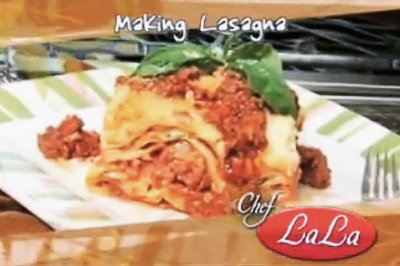 I asked some of my closest friends why they don’t like cooking at home. “Time”, “food costs”, “clean up” and “boredom” were a few of their answers. Well, I came up with a great solution: Don’t just cook for friends and family, cook with them! Here’s how&hellip
I asked some of my closest friends why they don’t like cooking at home. “Time”, “food costs”, “clean up” and “boredom” were a few of their answers. Well, I came up with a great solution: Don’t just cook for friends and family, cook with them! Here’s how…
Who Cut the Cheese?
 Well if you haven’t, or don’t how, I’m going to show you how to do something quick and easy –but still very elegant– with cheese.
Turkey Cooking Times
 USDA roasting timetable for fresh or thawed turkey at 325°F.
USDA roasting timetable for fresh or thawed turkey at 325°F.
| Weight* | Time* | |
|---|---|---|
| * Weight = pounds / Time = hours | ||
| 8 to 12 | 2¾ to 3 | |
| 12 to 14 | 3 to 3¾ | |
| 14 to 18 | 3¾ to 4¼ | |
| 18 to 20 | 4¼ to 4½ | |
| 20 to 24 pounds | 4½ to 5 | |
| Weight* | Time* | |
|---|---|---|
| * Weight = pounds / Time = hours | ||
| 8 to 12 | 3 to 3½ | |
| 12 to 14 | 3½ to 4 | |
| 14 to 18 | 4 to 4¼ | |
| 18 to 20 | 4¼ to 4¾ | |
| 20 to 24 pounds | 4¾ to 5¼ | |