
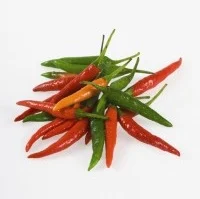
Pick a Pepper
Bring on the heat and make your dishes go from mild to wild by adding fire and flavor to your food with chile peppers. While bell peppers are sweet and mild, Habanero, the hottest, can be fiery. The heat or fire is caused by the natural chemical in peppers called capsaicin, which stimulates nerve endings in the skin.

Bring on the heat and make your dishes go from mild to wild by adding fire and flavor to your food with chile peppers. While bell peppers are sweet and mild, Habanero, the hottest, can be fiery. The heat or fire is caused by the natural chemical in peppers called capsaicin, which stimulates nerve endings in the skin.
Peppers have been consumed in the Americas since 7500 BC and were cultivated around the globe when Columbus discovered that their taste was similar to black pepper. Many cultures use some type of peppers in their cuisines because they add flavor and are believed to have medicinal benefits. Red chilis contain high amounts of vitamin C and provitamin A and are a good source of most B vitamins, B6 in particular. They are also very high in potassium, magnesium and iron. Peppers can be used raw, roasted, baked, pickled, grilled, and in powder form. Since they are so good and so good for you, why not try some today*:
Peppers
Pepper
Hotness Ranking
Notes
*As with anything, moderation is the key. If you suffer from digestive disorders such as GERD or IBS, peppers can aggravate these conditions so be sure to check with your health care provider before adding peppers to your diet.
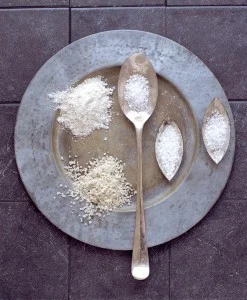
Kosher Salt Isn’t Just for Kosher Cooking

Kosher salt is called so primarily because its large crystals are used for making meats kosher. The process is done in part by sprinkling coarse salt on the surface of the meat to absorb the fluids. Kosher salt is typically free from additives commonly found in table salt, making it a favorite for cooking because it has a gentler flavor. Kosher salt is usually sold in large boxes and can be found in the spice and baking section of your market. Don’t let the large box scare you as it has many uses and has an indefinite shelf life if stored properly. A little goes a long way, so when using instead of table salt, use the conversion guide on the back of the box since some brands have larger crystals than others but keep in mind that 1 tsp of table salt = 1½–2 tsp of kosher salt. It is best used in highly liquid recipes or for rimming a beverage glass or lightly topping baked goods such as rolls, pretzels or baked potatoes before baking for a little flavorful crunch.
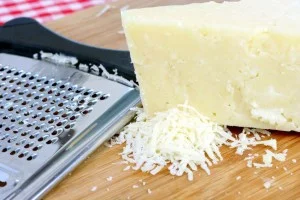
Grate Cheese
Cheese is a great addition to your diet for flavor, protein and calcium. Not all cheeses are alike so check the nutritional content for the serving size you will use and for the fullest flavor, get out your grater because freshly grated cheese tastes best and makes a great topping to many dishes.
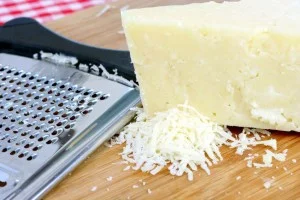
Cheese is a great addition to your diet for flavor, protein and calcium. Not all cheeses are alike so check the nutritional content for the serving size you will use and for the fullest flavor, get out your grater because freshly grated cheese tastes best and makes a great topping to many dishes. Parmesan cheese, for example, adds a lot of flavor, protein and calcium to many pastas, sauces, soups and more. Though you can use the typical grater found in many kitchens for veggies and softer cheeses, harder cheeses like parmesan have more intense flavor and are better grated or shaved. Invest in a grater for less than $20 for the top rated brands and create the texture and size you prefer and you’ll be glad you did. Cheeses can be served peeled, julienned, finely grated, shaved, thickly grated, as ribbons, fine flakes or zested. Enjoy!
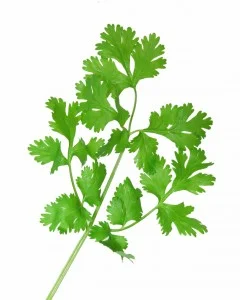
8 Ways to use Cilantro (Sih-LAHN-troh)
 Cilantro (Sih-LAHN-troh), also known as coriander, Mexican Parsley or Chinese parsley, is a wonderful, delicate year-round herb, thought to be an aphrodisiac and have healing properties, and adds great flavor to a variety of foods.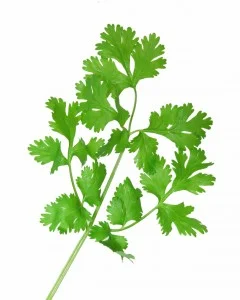
Cilantro (Sih-LAHN-troh), also known as coriander, Mexican Parsley or Chinese parsley, is a wonderful, delicate year-round herb, thought to be an aphrodisiac and have healing properties, and adds great flavor to a variety of foods.
Cilantro is the leaf of the plant while coriander, from the same plant, is the seed and has a very different flavor. One cannot be substituted for the other, though some countries refer to cilantro as coriander, so when recipes call for fresh coriander or coriander leaves, they are referring to the cilantro leaf.
Dishes made from the Cilantro plant, whether in the form of leaves as cilantro or seeds as coriander, are commonly found in a variety of cuisines including Middle Eastern, Mediterranean, Indian, South Asian, Mexican, Latin American, Chinese, African and Southeast Asian. Culantro, an herb related to cilantro, is widely used throughout the Caribbean, Latin America, and the Far East.
Fresh herbs really have the best aroma and flavor, so look for fresh cilantro in your supermarket produce department, sold in bunches similar to flat-leaf parsley. Look for unwilted leaves that are medium green in color. Cilantro can be stored in the refrigerator in a plastic bag for up to a week and should be washed in cool water and patted dry before use. Roll a bunch, stems and all and chop into small pieces.
Try some cilantro today….
- Roll goat cheese in chopped cilantro
- Use cilantro leaves instead of basil in tomato-mozarella salad
- Sprinkle 1tbsp chopped cilantro over scrambled eggs
- Add a few leaves to grilled cheese sandwiches
- Use a bunch as a brush to baste veggies on the grill
- Garnish Bloody Mary’s with a whole sprig or two
- Use in marinades for chicken, fish, shellfish, lamb, and pork
- Use in salsas and in sauces such as pesto, chutney, and tzaziki
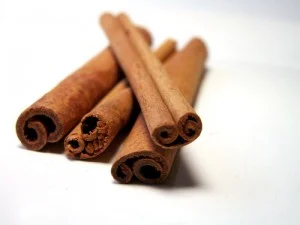
The Health Benefits of Cinnamon
The cinnamon you put in your French toast or sprinkle in your beverage at your favorite coffee shop is not only a popular spice, it was once considered as valuable as a precious metal and has medicinal properties dating back to early civilizations.

The cinnamon you put in your French toast or sprinkle in your beverage at your favorite coffee shop is not only a popular spice, it was once considered as valuable as a precious metal and has medicinal properties dating back to early civilizations.
Cinnamon was used to stop bacterial growth and has long been used to cure everything from athlete’s foot to indigestion and was even used in embalming by the Egyptians. During the Middle Ages, cinnamon was mixed with cloves and warm water, and placed in the sick rooms of victims of the Bubonic Plague. Studies show that the antiseptic power of cinnamon makes it great for battling bacteria that upset the stomach, cause ulcers, urinary tract infections and the fungus associated with yeast infections. Recent research indicates that cinnamon can have favorable effects on brain function, improving memory functions and the ability to process information quickly.
The most astounding recent discovery came when USDA scientists found that apple pie with cinnamon helped lower blood glucose levels. They did further research on diabetics who were not taking insulin and found that doses of cinnamon reduced their blood sugar levels and increased their natural production of insulin as well as lowered their blood cholesterol, even 20 days after the 40 day cinnamon treatment ended. This is a wonderful discovery for more than 50 million Americans who suffer from diabetes and/or heart disease because all the patients in the study showed better glucose metabolism and natural insulin production when they took cinnamon capsules that delivered less than two teaspoons a day of the spice. Lowering blood sugar levels and improving cholesterol ratios can help reverse prediabetes and Metabolic Syndrome, and in fact may actually prevent the worsening of health to full diabetes and help you lose weight, particularly belly fat which is sensitive to glucose levels.
Adding cinnamon to your diet
You can start right now to get the recommended 1/2 to 2 teaspoons of cinnamon a day using the spice in your food. The cinnamon you have in your pantry or pick up in your supermarket in either stick or ground form will work and comes from the bark of the evergreen cinnamon tree. As with any herb or spice you choose, make sure it’s fresh for the best flavor, aroma, and benefits. Open the jar in your kitchen and if the smell is strong and sweet your cinnamon is fresh. If not, throw it away. Once open, be sure to seal the container tightly and store it away from light. Enjoy cinnamon by:
- Add a cinnamon stick to flavor your favorite tea
- Add to unsweetened applesauce, cereal or oatmeal
- Sprinkle on toast or add to butter or cream cheese
- Sprinkle on coffee, cocoa, fruit juices, and ciders
- Add cinnamon to your favorite baked goods
If you want to take cinnamon as a supplement consult with your physician before beginning to use cinnamon in medicinal quantities, especially if you are already taking a diabetes medication since cinnamon may have an impact on your blood sugar.