

Berry Delicious
Fresh, colorful berries at your local supermarket or farmer’s market are a sure sign that summer is here. Some sweet, others tart, berries are a delicious and nutritious treat and can be eaten whole, served fresh, frozen or in baked goods. Berries are available all year from a variety of sources, though most are considered summer fruits.

Fresh, colorful berries at your local supermarket or farmer’s market are a sure sign that summer is here. Some sweet, others tart, berries are a delicious and nutritious treat and can be eaten whole, served fresh, frozen or in baked goods. Berries are available all year from a variety of sources, though most are considered summer fruits. They are best consumed within 2-3 days and should be washed just prior to serving but can be kept frozen for up to a year.
Berries are a great fat-free source of nutrients such as vitamin C, fiber, and antioxidants and should be included in your daily recommended 5 servings of fruits and vegetables for optimal health. Eat fresh, dried, canned, as a jelly or jam or add as a topping to cereals, yogurt, waffles, ice cream, salads and sorbet, or add to your favorite smoothie, beverage, sauces and baked goods such as pies, tarts, and cakes.
Berry Varieties
- Blackberry
- Black/Red Grape
- Blueberry
- Boysenberry
- Cranberry
- Currant
- Gooseberry
- Green Grape
- Lingonberry
- Loganberry
- Mulberry
- Fuyu Persimmon
- Hachuya Persimmon
- Raspberry
- Strawberry

Truth about Monosodium Glutamate (MSG)
MSG as a food ingredient has been the subject of many health studies and much controversy over the years and has caused many restaurants and food suppliers to label their food as MSG free, though that may be misleading. What is MSG exactly and why is it such a problem?

MSG as a food ingredient has been the subject of many health studies and much controversy over the years and has caused many restaurants and food suppliers to label their food as MSG free, though that may be misleading. What is MSG exactly and why is it such a problem?
MSG is a man-made sodium salt of glutamate flavoring compound that mimics natural glutamates found in many common foods. Though it is clear that some people are MSG sensitive, a 1995 FDA report concluded that MSG was safe for most people when “eaten at customary levels.” Those who consider MSG to be dangerous warn to steer clear if you are sensitive to MSG, keeping in mind it is hidden in many foods and you may not know from reading the label. If you are consuming too much of it, as with any food you are sensitive to, experts warn you might experience some serious health problems.
How do you know if MSG or other glutamates are in your food? Monosodium glutamate is one of several forms of glutamic acid, a natural amino acid produced by the human body and occurs naturally in many protein foods such as cheese, milk, mushrooms, meat, fish and many vegetables such as tomatoes. Glutamic acid and its salts are also found in hydrolyzed vegetable proteins, autolyzed yeast, yeast extract, soy extracts, and protein isolate, which may appear as spices or natural flavorings in many of the foods we consume.
| Serving Size | Serving Glutamate (g/serving) | |
|---|---|---|
| Source: U.S. Food and Drug Administration | ||
| Tomato juice | 1 cup | 0.827 |
| Tomato | 3 slices | 0.339 |
| Meat loaf dinner | 9 oz. | 0.189 |
| Human breast milk | 1 cup | 0.176 |
| Mushrooms | ¼ cup | 0.094 |
| Parmesan cheese | 2 Tbsp | 0.047 |
| Corn | ½ cup | 0.031 |
| Peas | ½ cup | 0.024 |
| Cow’s milk | 1 cup | 0.016 |
| Canned tuna (in water) | ½ can | 0.008 |
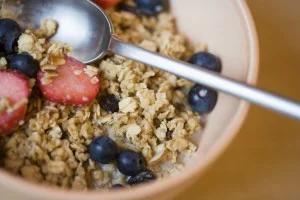
Eat More, Feel Great, Weigh Less!
Wake up and eat your breakfast… then eat some more! Yes, you should eat, especially if you want to lose weight and stay healthy!

Wake up and eat your breakfast… then eat some more! Yes, you should eat, especially if you want to lose weight and stay healthy! It’s what you eat that makes all the difference to keep your body healthy and keep a steady metabolism to burn off the extra pounds that could put you at great risk for disease and even death.
66% of American adults are considered overweight or obese and at great risk of diabetes, heart attack, stroke and other diseases associated with extra weight putting undue stress on our bodies that lead to the leading causes of disease and death. Start on the path to good health now by adding texture, flavor, fiber, and nutrition and cutting fat in very simple ways and you will stay satisfied and see results quickly.
- BREAKFAST – Instead of a large muffin or a sausage, egg, and cheese sandwich with about 35g of fat…
- Opt for 2 bowls of bran cereal topped with fruit and skim or light soy milk and only 3g of fat or 2 eggs with fresh veggies, 2 slices of whole grain toast with jam and a glass of orange juice for only 12g of fat
- LUNCH – Instead of 1 slice of pepperoni pizza or a double cheeseburger with 32g of fat…
- Opt for A bowl of pasta with marinara sauce, zucchini, and a sprinkle of parmesan with a roll or a turkey sandwich on whole grain bread topped with mustard and fresh veggies, a side of fruit salad and a side of low-fat potato salad with a glass of water with lemon for only 7g of fat
- DINNER – Instead of macaroni and cheese or fried chicken with all the sides with 36g of fat…
- Opt for Veggie lasagna, a large green salad with fat free Italian dressing, a roll and a glass of wine for only 16g of fat or grilled chicken with barbecue sauce, a green salad, corn-on-the-cob, a baked potato and a glass of iced tea for only 494 calories and 6g of fat.
- SNACKS – Instead of regular potato chips with 30g fat…
- Opt for Lower fat baked chips or veggies with hummus dip for only 4g of fat
- DESSERT – Instead of a chocolate truffle or small slice of fruit pie for 14g fat or 1 cup premium ice cream with 36g fat…
- Opt for Sliced apples and fat-free chocolate dip or 4 cups lowfat frozen yogurt with fresh berries for less than 10g of fat
Enjoy!!!

Healthy Cheese?
With the vast majority of the American population, especially kids, lacking enough calcium for strong bones and teeth, it’s time to get creative and find flavorful new ways for your family to get the recommended daily amount.

With the vast majority of the American population, especially kids, lacking enough calcium for strong bones and teeth, it’s time to get creative and find flavorful new ways for your family to get the recommended daily amount. Even individuals who are watching their fat intake or lactose intolerant can benefit from eating cheese. Small amounts of cheese, which are easier to digest than milk due to the fermentation process, can provide large amounts of calcium. What better way to get your body strong than to enjoy some flavorful, delicate cheeses from around the world.
Cheese became popular around 4000 years ago when people started breeding animals and processing their milk to produce cheese, a great source of calcium and protein. Cheese is most commonly made from cows milk, however, there are varieties made from other mammals including sheep, goats, buffalo, reindeer, camels and yaks. One of the most nutritious cheeses in terms of low calories, high protein and calcium, is Romano cheese with 452 mg of calcium and only 165 calories per 1.5 ounces. Other good sources of calcium include: Swiss, part-skim ricotta, pasteurized process American, provolone, part-skim mozzarella and cheddar cheese.
Need a little more excitement and like to experiment with flavor? There are many varieties of cheeses, some with mild flavor, strong flavor, some soft, some hard, with flavors and textures for all palates. Check the yellow pages for cheese shops in your area or visit your local specialty market, supermarket or farmer’s market. Try samples, ask for recommendations, and enjoy. Cheese is great for entertaining, as a fondue, as a snack in your child’s lunch, or a mid-afternoon treat or appetizer before dinner. Be sure to store and serve cheese at recommended temperatures and choose cheeses for children, pregnant women and people with weaker immune systems that are pasturized. Most cheeses are; however some softer cheeses such as brie and cheeses in other countries, though flavorful and quite safe for adults in good health, can contain bacteria that can make some people ill.
Try cheese cubes as a snack or appetizer or cheese slices on crackers or in your favorite sandwich. Try shredded or grated cheese on fresh or baked pasta, in soups, salads or on vegetables. Remember a little goes a long way and you can mix flavors. Savor the taste and texture and enjoy with your favorite beverage!
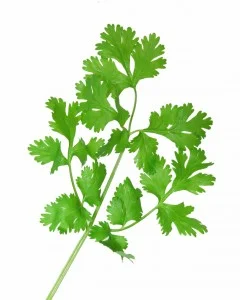
8 Ways to use Cilantro (Sih-LAHN-troh)
 Cilantro (Sih-LAHN-troh), also known as coriander, Mexican Parsley or Chinese parsley, is a wonderful, delicate year-round herb, thought to be an aphrodisiac and have healing properties, and adds great flavor to a variety of foods.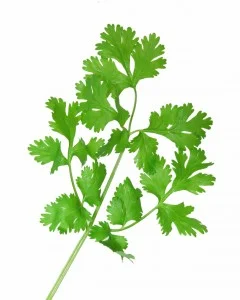
Cilantro (Sih-LAHN-troh), also known as coriander, Mexican Parsley or Chinese parsley, is a wonderful, delicate year-round herb, thought to be an aphrodisiac and have healing properties, and adds great flavor to a variety of foods.
Cilantro is the leaf of the plant while coriander, from the same plant, is the seed and has a very different flavor. One cannot be substituted for the other, though some countries refer to cilantro as coriander, so when recipes call for fresh coriander or coriander leaves, they are referring to the cilantro leaf.
Dishes made from the Cilantro plant, whether in the form of leaves as cilantro or seeds as coriander, are commonly found in a variety of cuisines including Middle Eastern, Mediterranean, Indian, South Asian, Mexican, Latin American, Chinese, African and Southeast Asian. Culantro, an herb related to cilantro, is widely used throughout the Caribbean, Latin America, and the Far East.
Fresh herbs really have the best aroma and flavor, so look for fresh cilantro in your supermarket produce department, sold in bunches similar to flat-leaf parsley. Look for unwilted leaves that are medium green in color. Cilantro can be stored in the refrigerator in a plastic bag for up to a week and should be washed in cool water and patted dry before use. Roll a bunch, stems and all and chop into small pieces.
Try some cilantro today….
- Roll goat cheese in chopped cilantro
- Use cilantro leaves instead of basil in tomato-mozarella salad
- Sprinkle 1tbsp chopped cilantro over scrambled eggs
- Add a few leaves to grilled cheese sandwiches
- Use a bunch as a brush to baste veggies on the grill
- Garnish Bloody Mary’s with a whole sprig or two
- Use in marinades for chicken, fish, shellfish, lamb, and pork
- Use in salsas and in sauces such as pesto, chutney, and tzaziki
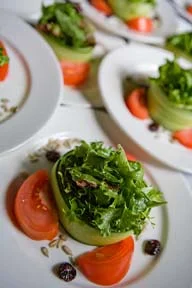
Summer Vegetables
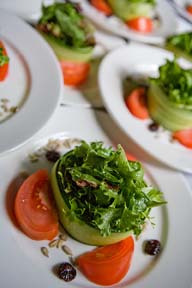
Summer is almost here and summer vegetables are beginning to arrive in your local supermarkets, specialty markets and farmer’s markets. Experts recommend consuming 5 servings* a day of fruits and vegetables to help reduce your risk of heart disease and cancer. Summer veggies are not only nutritious and delicious, they’ll help you look and feel your best by providing vitamin C, potassium, lutein, folate, iron, fiber, and essential hydration. Try one or more of these summer veggies today:
Summer is almost here and summer vegetables are beginning to arrive in your local supermarkets, specialty markets and farmer’s markets. Experts recommend consuming 5 servings* a day of fruits and vegetables to help reduce your risk of heart disease and cancer. Summer veggies are not only nutritious and delicious, they’ll help you look and feel your best by providing vitamin C, potassium, lutein, folate, iron, fiber, and essential hydration. Try one or more of these summer veggies today:
- Arugula
- Eggplant
- Potatoes
- Avocados
- Garlic
- Shallots
- Green Beans
- Kohlrabi
- Summer Squash
- Beans
- Mushrooms
- Swiss chard
- Beets
- Okra
- Tomatoes
- Collards
- Onions
- Zucchini
- Corn
- Sugar Snap Peas
- Cucumber
- Peppers
Try some of these ideas…
- Skip the chips which make you thirstier and opt for bright crunchy carrots and celery which are low in calories and fat and high in nutrients that will keep you feeling refreshed.
- Add some fresh veggies to your summer salad for a cool light meal packed with nutrients
- Load your baked potato or pasta with cooked veggies instead of butter or rich sauces or even toss with light olive oil or add to your favorite light sauces to give you flavor and energy on a hot summer day
* One serving of vegetables is equivalent to ¼ cup dry or one medium sized fresh vegetable such as a carrot or ¾ of a cup of juice or ½ cup cooked or 1 cup raw veggies.

Bone Up on Calcium
 Did you know that May is National Osteoporosis Prevention and Awareness Month? Why not start now and learn about why calcium is so important for us throughout our lives and where to find it. Calcium is the most abundant mineral in our bodies, with 99‰ stored in our bones and teeth, functioning to keep them strong. The rest is found throughout the body in blood, muscle, and the fluid between cells.
Did you know that May is National Osteoporosis Prevention and Awareness Month? Why not start now and learn about why calcium is so important for us throughout our lives and where to find it. Calcium is the most abundant mineral in our bodies, with 99‰ stored in our bones and teeth, functioning to keep them strong. The rest is found throughout the body in blood, muscle, and the fluid between cells.
Calcium is needed for muscle contraction, blood vessel contraction and expansion, the secretion of hormones and enzymes, and sending messages through the nervous system. A constant level of calcium is maintained in body fluid and tissues for these vital body processes to function.
Bones constantly go through a process of breakdown and new formation. The balance changes as people age. Kids, have more bone formation and less breakdown and aging adults, especially postmenopausal women, experience more bone breakdown than formation, resulting in bone loss and risk for osteoporosis, a disorder characterized by porous, weak bones that break easily.
Amount of Calcium
What is the recommended daily amount of calcium?
| Age | Calcium (mg/day) | Pregnancy & Lactation |
|---|---|---|
| 0 to 6 months | 210 | N/A |
| 7 to 12 months | 270 | N/A |
| 1 to 3 years | 500 | N/A |
| 4 to 8 years | 800 | N/A |
| 9 to 13 years | 1300 | N/A |
| 14 to 18 years | 1300 | 1300 |
| 19 to 50 years | 1000 | 1000 |
| 51+ years | 1200 | N/A |
n the United States, milk, yogurt and cheese are the major sources of calcium. The U.S. Department of Agriculture’s Food Guide Pyramid recommends that people two years and older eat 2-3 servings of dairy products per day such as: 1 cup (8 fl oz) of milk, 8 oz of yogurt, 1.5 oz of natural cheese (ie Cheddar), or 2.0 oz of processed cheese (ie American).
Non-fat and reduced fat dairy products containing the same amount of calcium are available for individuals concerned about saturated fat content from regular dairy products. For individuals with lactose intolerance and those who are vegan, foods such as Chinese cabbage, kale and broccoli are alternative calcium sources. Additionally, there are many calcium-fortified food sources, including fruit juices, tofu and cereals. Certain vegetables contain substances which can reduce calcium absorption, so you may have to eat several servings of spinach to obtain the same amount of calcium in one cup of milk, which is not only calcium-rich but also contains calcium in an easily absorbable form.
Food Sources of Calcium
| Food | Calcium (mg) | ‰ DV |
|---|---|---|
| Yogurt, plain, low fat, 8 oz. | 415 | 42‰ |
| Yogurt, fruit, low fat, 8 oz. | 245–384 | 25‰-38‰ |
| Sardines, canned in oil, with bones, 3 oz. | 324 | 32‰ |
| Cheddar cheese, 1 ½ oz shredded | 306 | 31‰ |
| Milk, non-fat, 8 fl oz. | 302 | 30‰ |
| Milk, reduced fat (2‰ milk fat), no solids, 8 fl oz. | 297 | 30‰ |
| Milk, whole (3.25‰ milk fat), 8 fl oz | 291 | 29‰ |
| Milk, buttermilk, 8 fl oz. | 285 | 29‰ |
| Milk, lactose reduced, 8 fl oz. | 285-302 | 29-30‰ |
| Mozzarella, part skim 1 ½ oz. | 275 | 28‰ |
| Tofu, firm, made w/calcium sulfate, ½ cup | 204 | 20‰ |
| English Muffin | 204 | 20‰ |
| Orange juice, calcium fortified, 6 fl oz. | 200-260 | 20-26‰ |
| Salmon, pink, canned, solids with bone, 3 oz. | 181 | 18‰ |
| Pudding, chocolate, instant, made w/ 2‰ milk, ½ cup | 153 | 15‰ |
| Cottage cheese, 1‰ milk fat, 1 cup unpacked | 138 | 14‰ |
| Tofu, soft, made w/calcium sulfate, ½ cup | 138 | 14‰ |
| Spinach, cooked, ½ cup | 120 | 12‰ |
| Instant breakfast drink, various flavors and brands, powder prepared with water, 8 fl oz. | 105-250 | 10-25‰ |
| Frozen yogurt, vanilla, soft serve, ½ cup | 103 | 10‰ |
| Ready to eat cereal, calcium fortified, 1 cup | 100-1000 | 10‰-100‰ |
| Turnip greens, boiled, ½ cup | 99 | 10‰ |
| Kale, cooked, 1 cup | 94 | 9‰ |
| Kale, raw, 1 cup | 90 | 9‰ |
| Ice cream, vanilla, ½ cup | 85 | 8.5‰ |
| Soy beverage, calcium fortified, 8 fl oz. | 80-500 | 8-50‰ |
| Almonds, 1 oz | 80 | 8‰ |
| Chinese cabbage, raw, 1 cup | 74 | 7‰ |
| Tortilla, corn, ready to bake/fry, 1 medium | 42 | 4‰ |
| Tortilla, flour, ready to bake/fry, one 6” diameter | 37 | 4‰ |
| Sour cream, reduced fat, cultured, 2 Tbsp | 32 | 3‰ |
| Bread, white, 1 oz | 31 | 3‰ |
| Broccoli, raw, ½ cup | 21 | 2‰ |
| Bread, whole wheat, 1 slice | 20 | 2‰ |
| Cheese, cream, regular, 1 Tbsp | 12 | 1‰ |
You can also visit www.CDC.gov/powerfulbones for fun bone building exercises and recipes for you and your kids.

Summer Food Safety
Foodborne illness, also known as food poisoning, increases in the summer months when the weather is warmer, because people have more picnics, barbecues and camping trips where there isn’t adequate refrigeration. Additionally, warmer weather and humidity enable bacteria to grow faster. Following a few simple rules should help you protect your family…

Foodborne illness, also known as food poisoning, increases in the summer months when the weather is warmer, because people have more picnics, barbecues and camping trips where there isn’t adequate refrigeration. Additionally, warmer weather and humidity enable bacteria to grow faster. Following a few simple rules should help you protect your family…
- Clean: Wash Hands and Surfaces Often. Unwashed hands are a prime cause of foodborne illness. Wash your hands with hot, soapy water before handling food and after using the bathroom, changing diapers, and handling pets. Be sure to keep cutting surfaces and utencils clean too. When eating away from home, find a source of clean water or bring water for preparation and cleaning. Pack clean, wet, disposable washcloths or moist towelettes and paper towels for cleaning hands and surfaces.
- Separate: Don’t Cross-Contaminate. Cross-contamination during preparation, grilling, and serving foodis a prime cause of foodborne illness. When packing the cooler, wrap raw meats securely and store separately to avoid raw meat juices from coming in contact with ready-to-eat food. When using the grill be sure to keep meats chilled until they go on the grill and wash plates, utensils, and cutting boards that held the raw meat or poultry before using again for cooked food.
- Cook: Cook to Proper Temperatures. Food is properly cooked when heated for a long enough time and at a high enough temperature to kill harmful bacteria that cause foodborne illness. Use a meat thermometer to be sure that meat and poultry cooked on a grill is cooked thoroughly as it often browns very fast on the outside. Cook hamburger and other ground meats (veal, lamb, and pork) to an internal temperature of 160 °F, and ground poultry to 165 °F. Cook steaks and roasts that have been tenderized, boned, rolled, etc., to an internal temperature of 160 °F for medium and 170 °F for well-done. Whole steaks and roasts may be cooked to 145 °F for medium rare. Whole poultry should be cooked to 180 °F in the thigh; breast meat to 170 °F. Cook meat and poultry completely at the picnic site. Partial cooking of food ahead of time allows bacteria to survive and multiply to the point that subsequent cooking cannot destroy them.
- Chill: Refrigerate Promptly. Holding food at an unsafe temperature is a prime cause of foodborne illness. Keep cold food cold! Cold refrigerated perishable food like lunch meats, cooked meats, chicken, and potato or pasta salads should be kept in an insulated cooler packed with several inches of ice, ice packs, or containers of frozen water. Consider packing canned beverages in one cooler and perishable food in another cooler because the beverage cooler will probably be opened frequently. Keep the cooler in the coolest part of the car, and place in the shade or shelter, out of the sun, whenever possible. Preserve the cold temperature of the cooler by replenishing the ice as soon as it starts melting. If a cooler chest is not an option, consider taking fruits, vegetables, hard cheeses, canned or dried meats, dried cereal, bread, peanut butter, crackers, and a bottle of refreshing beverage. If you don’t plan to eat take-out food within 2 hours of purchase, plan ahead and chill the food in your refrigerator before packing for your outing.
Food left out of refrigeration for more than 2 hours may not be safe to eat. At 90 °F or above, food should not be left out over 1 hour. Play it safe; put leftover perishables back on ice once you finish eating so they do not spoil or become unsafe to eat. If you have any doubts, throw it out.

The Health Benefits of Cinnamon
The cinnamon you put in your French toast or sprinkle in your beverage at your favorite coffee shop is not only a popular spice, it was once considered as valuable as a precious metal and has medicinal properties dating back to early civilizations.

The cinnamon you put in your French toast or sprinkle in your beverage at your favorite coffee shop is not only a popular spice, it was once considered as valuable as a precious metal and has medicinal properties dating back to early civilizations.
Cinnamon was used to stop bacterial growth and has long been used to cure everything from athlete’s foot to indigestion and was even used in embalming by the Egyptians. During the Middle Ages, cinnamon was mixed with cloves and warm water, and placed in the sick rooms of victims of the Bubonic Plague. Studies show that the antiseptic power of cinnamon makes it great for battling bacteria that upset the stomach, cause ulcers, urinary tract infections and the fungus associated with yeast infections. Recent research indicates that cinnamon can have favorable effects on brain function, improving memory functions and the ability to process information quickly.
The most astounding recent discovery came when USDA scientists found that apple pie with cinnamon helped lower blood glucose levels. They did further research on diabetics who were not taking insulin and found that doses of cinnamon reduced their blood sugar levels and increased their natural production of insulin as well as lowered their blood cholesterol, even 20 days after the 40 day cinnamon treatment ended. This is a wonderful discovery for more than 50 million Americans who suffer from diabetes and/or heart disease because all the patients in the study showed better glucose metabolism and natural insulin production when they took cinnamon capsules that delivered less than two teaspoons a day of the spice. Lowering blood sugar levels and improving cholesterol ratios can help reverse prediabetes and Metabolic Syndrome, and in fact may actually prevent the worsening of health to full diabetes and help you lose weight, particularly belly fat which is sensitive to glucose levels.
Adding cinnamon to your diet
You can start right now to get the recommended 1/2 to 2 teaspoons of cinnamon a day using the spice in your food. The cinnamon you have in your pantry or pick up in your supermarket in either stick or ground form will work and comes from the bark of the evergreen cinnamon tree. As with any herb or spice you choose, make sure it’s fresh for the best flavor, aroma, and benefits. Open the jar in your kitchen and if the smell is strong and sweet your cinnamon is fresh. If not, throw it away. Once open, be sure to seal the container tightly and store it away from light. Enjoy cinnamon by:
- Add a cinnamon stick to flavor your favorite tea
- Add to unsweetened applesauce, cereal or oatmeal
- Sprinkle on toast or add to butter or cream cheese
- Sprinkle on coffee, cocoa, fruit juices, and ciders
- Add cinnamon to your favorite baked goods
If you want to take cinnamon as a supplement consult with your physician before beginning to use cinnamon in medicinal quantities, especially if you are already taking a diabetes medication since cinnamon may have an impact on your blood sugar.

Are you at Risk?
Are you at risk for the leading cause of death? I know I am! In fact, we’re all at risk, but we can do something about it – right now.
If not you, someone you love will be affected by one or more of the leading causes of death in our nation soon. The #1 killer is heart disease, which is preventable, even if you already have risk factors, followed by cancer, stroke, respiratory diseases, accidents and diabetes which are also preventable by taking some action. Protect yourself and the people you love right now by taking some action.
What are the Risk Factors for Coronary Heart Disease you can’t control?

Are you at risk for the leading cause of death? I know I am! In fact, we’re all at risk, but we can do something about it – right now.
If not you, someone you love will be affected by one or more of the leading causes of death in our nation soon. The #1 killer is heart disease, which is preventable, even if you already have risk factors, followed by cancer, stroke, respiratory diseases, accidents and diabetes which are also preventable by taking some action. Protect yourself and the people you love right now by taking some action.
What are the Risk Factors for Coronary Heart Disease you can’t control?
- Increasing age: Over 83percent of people who die of coronary heart disease are 65 or older. Diabetes is more prevalent as we age because our bodies become more resistant to insulin.
- Male gender: Men have a greater risk of heart attack than women, and they have attacks earlier in life.
- Heredity -including Race: Children of parents with heart disease, African Americans (due to greater occurrence of severe high blood pressure) and Mexican Americans, American Indians, native Hawaiians and some Asian Americans (due to higher rates of obesity and diabetes) are at higher risk of heart disease.
What can you do right now to reduce the major risk factors you can control?
- Don’t smoke: Smoking and breathing second-hand smoke increase your risk of heart disease2–4 timesthat of nonsmokers and put you at greater risk for developing cancer.
- Reduce high blood cholesterol: As cholesterol rises, so does risk of heart disease. Combined with other risk factors such as high blood pressure and smoking, this risk increases even more. Take medications and change your diet as recommended by your doctor.
- Tackle high blood pressure: High blood pressure increases the heart’s workload, increasing your risk of stroke, heart attack, kidney failure and congestive heart failure. When combined with obesity, smoking, high blood cholesterol or diabetes, the risk of heart attack or stroke increases several times. Take medications and change your diet as prescribed by your doctor.
- Get physical: Regular, moderate-to-vigorous physical activity helps prevent heart and blood vessel disease, can help control blood cholesterol, diabetes and obesity, as well as help lower blood pressure in some people. The more vigorous the activity, the greater the benefit.
- Lose weight: Excess body fat, especially at the waist, puts you at greater risk to develop heart disease and stroke even with no other risk factors. Excess weight increases the heart’s work, raises blood pressure and cholesterol and triglyceride levels, and lowers HDL (“good”) cholesterol levels. It can also increase the risk of diabetes. By losing even as few as 10pounds, you can lower your heart disease risk.
- Control your diabetes: Diabetes seriously increases your risk of developing heart disease and stroke, even when glucose (blood sugar) levels are under control, with increased risks if blood sugar is not well controlled. About 75% of people with diabetes die of some form of heart or blood vessel disease. If you have diabetes, work with your physician to manage it and control any other risk factors you can.
Other things you can do…
Control stress, change your lifestyle, and discuss your options with your physician. People under stress may overeat, start smoking, or drink too much. Drinking in excess can raise blood pressure, cause heart failure and lead to stroke, contribute to high triglycerides, cancer and other diseases, and produce irregular heartbeats. It can also contribute to obesity, alcoholism, suicide and accidents. Get creative, try yoga or other exercise to keep you relaxed and help you sleep better. Talk to your doctor about a Mediterranean diet or adding cinnamon to your diet. These are great, flavorful ways to help you get the nutrients you need, enjoy the foods you love and combat diabetes and heart disease and even protect you against some forms of cancer.
How to Eat Well With Rising Food Costs
Food is fuel for our bodies to survive, so just like your car needs fuel to go, you need to eat. It’s what you eat, however, that makes a difference. Eating well means eating fresh fruits, vegetables, whole grains, etc, which are often more expensive than packaged foods with tons of preservatives, salt, sugar, and things we can’t easily pronounce. They aren’t good for us but seem too good to pass up when we’re in a hurry to get food on the table for our families.
Historically, when food prices rise, people eat less and weigh less, but when food prices go down, many people will gain weight, which may explain the rise in obesity because food prices were so much lower from 1978 through the 1990’s. Unfortunately, the prices of junk foods are falling while the prices of complex carbohydrate foods which provide energy and help us maintain our weight are climbing.
Food is fuel for our bodies to survive, so just like your car needs fuel to go, you need to eat. It’s what you eat, however, that makes a difference. Eating well means eating fresh fruits, vegetables, whole grains, etc, which are often more expensive than packaged foods with tons of preservatives, salt, sugar, and things we can’t easily pronounce. They aren’t good for us but seem too good to pass up when we’re in a hurry to get food on the table for our families.
Historically, when food prices rise, people eat less and weigh less, but when food prices go down, many people will gain weight, which may explain the rise in obesity because food prices were so much lower from 1978 through the 1990’s. Unfortunately, the prices of junk foods are falling while the prices of complex carbohydrate foods which provide energy and help us maintain our weight are climbing.
The fact is it is getting very expensive to feed our families nutritiously because some of the healthy foods we once took for granted are now just too expensive. There’s no telling when food prices will go down. For many people this means eating less and/or eating what’s on sale. Many people cut back on eating in restaurants when times are tough or stop purchasing foods that are just too expensive, but if you shop smart you can still eat well on a tighter budget without compromising the health of your family.
Consider your diet and lifestyle and the changes you can make right now. Consider a diet that focuses on fruits, vegetables and complex carbohydrates which is healthier and less expensive than a diet rich in meat consumption. Eating at home really is less expensive and can often be healthier. You can feed an entire family lasagna, for example, for the same price as one dish in many restaurants. If it’s the soft lighting and music you need, dim the lights, plug in your ipod and get out the checkered tablecloth. Why not make use of the dining room and china you’re saving for a special occasion. It may be more work but what occasion is more special than a wonderful meal with the people you love?
Go to the market with a basic list of staple foods and an open mind for meals and snacks rather than a set shopping list and look for nutritious foods your family loves that are on sale. Sometimes you can purchase items that are usually very expensive on sale at a good price because they have too many, got a great deal, or they are just in season and plentiful. Make it a fun treat to have artichokes, pineapple or your favorite whole grain cereals because they were a good price. Anything you didn’t purchase this time may possibly be on sale next time, allowing you to watch your spending, eat healthy and consume a variety of foods, even foods you’ve never tried, rather than just sticking to favorites. Variety, is not only the spice of life, it helps you get the nutrients you need without tiring of the same old thing. Try shopping at local farmer’s markets and you’ll find food that is fresh and less expensive because it is locally grown and you’re not paying high transportation costs and are supporting your local farming community. Involve your family in food preparation and cleanup. Kids like to be involved and should learn how to prepare a meal and clean up. This will make it fun to prepare fresh, wholesome foods to keep your family healthy.
If you think you can’t afford to take the time or spend the money to eat well, think again. Food preparation may take longer but at least you’ll be in the comfort of your own home rather than at work trying to make more money so you can wait in line at your favorite restaurant. For just a few more pennies to buy wholesome foods, you might just find you feel healthier and avoid the even greater rising cost and stress of medical care for conditions such as diabetes and heart disease which are often caused or worsened by poor nutritional habits.

Why Lose Weight?
By making a few changes to be more active, eliminate stress, and eat healthier, we can work at reducing the 3 biggest risk factors for heart disease which are obesity, hypertension, and high cholesterol and give ourselves the chance to live longer, healthier, more active lives.

By making a few changes to be more active, eliminate stress, and eat healthier, we can work at reducing the 3 biggest risk factors for heart disease which are obesity, hypertension, and high cholesterol and give ourselves the chance to live longer, healthier, more active lives.
Sounds easy and makes sense, yet our busy lifestyles have many of us leading unhealthy lifestyles by eating unhealthy prepared foods loaded with saturated fats, salt, and refined sugar to save time and then driving to the market to get more when we run out instead of walking because we are again trying to save time. This all leads back to stressing our systems by rushing around and getting nowhere good, which can, over time, lead to chronic disease. Millions of American children and adults are at great risk because they are overweight or obese, have high blood pressure, and/or high cholesterol that are not being treated or are not under control.
Talk to your doctor about changes you can make in your family’s diet that can ultimately save their lives.There are plenty of changes you can make right now like taking a walk to the market to get some fresh fruits, vegetables and whole grains. Talk to your doctor about whether a Mediterranean diet might work for you which can help you maintain a healthy weight and reduce the risk of diabetes, another risk factor for heart disease.
Benefits of a Mediterranean Diet
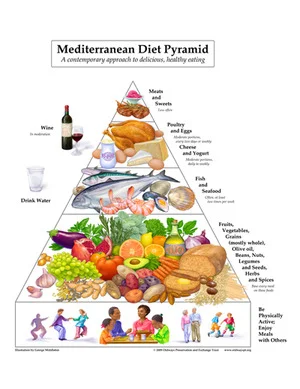
Diabetes is a growing problem worldwide, so researchers continue to look for lifestyle behaviors that can be changed in order to prevent or reverse this trend. More and more, experts are devoting attention to the Mediterranean diet. Since the 1960’s it has been noted that people living in the Mediterranean have had food habits which can clearly be linked to good health because they consume a variety of fruits, vegetables, legumes, nuts, grains, and olive oil with minimal amounts of animal products.

Diabetes is a growing problem worldwide, so researchers continue to look for lifestyle behaviors that can be changed in order to prevent or reverse this trend. More and more, experts are devoting attention to the Mediterranean diet. Since the 1960’s it has been noted that people living in the Mediterranean have had food habits which can clearly be linked to good health because they consume a variety of fruits, vegetables, legumes, nuts, grains, and olive oil with minimal amounts of animal products.
The Mediterranean diet boasts whole foods and a lower intake of fat, most importantly saturated fat, by the consumption of olive oil over other oils which is proven to reduce insulin resistance and reduce the chances of developing diabetes by one-fifth over diets that feature whole milk and butter which are shown to increase the risk of diabetes.
Overall, the Mediterranean diet has several components that impact diabetes…
- Consumption of fiber satiates and causes diabetics to eat less and consume less sugar
- Olive oil has anti-inflamatory properties which may decrease the risk of chronic disease and adds nutrients to food rather than just adding fat like other oils may tend to do
- Energy density or calorie content of the Mediterranean diet is lower than the typical American diet and shows a decreased risk of obesity and related chronic health problems by increasing consumption of fruits, vegetables, and legumes.
- High Antioxidant intake from consuming a diet rich in fruits and vegetables reduces the risk of type II diabetes.
The balance of micronutirents, phytochemicals, and fiber seem to play a major role in improving glycemic control which is very important in the prevention and treatment of diabetes.Be sure to consult with your primary care physician regarding your own health needs.

Keeping Your Family Safe this Summer
Summer officially begins June 21st, which means more time outdoors, more travel, and more safety issues to be aware of. As with anything kids do, there are dangers, but think about some of the risks involved in activities that are new to your kids or that they haven’t done for a while. This is a good time to prepare them and you for summer’s fun and dangers and make sure your kids have all the right equipment, stay in touch and know what to do in case of an emergency.

Summer officially begins June 21st, which means more time outdoors, more travel, and more safety issues to be aware of. As with anything kids do, there are dangers, but think about some of the risks involved in activities that are new to your kids or that they haven’t done for a while. This is a good time to prepare them and you for summer’s fun and dangers and make sure your kids have all the right equipment, stay in touch and know what to do in case of an emergency.
Sports and Physical Activities
Before performing any sports, make sure your kids stretch first, wear protective gear such as helmets and proper shoes, and use safe and reliable equipment. Also be sure they are playing in a safe area, drink plenty of fluids such as water and sports drinks to stay hydrated and are prepared for emergencies with a fresh first-aid kit and emergency phone numbers to call for help if needed.
Sun Safety
If you plan to be outside a lot, don’t forget sunscreen with an SPF of 15 or higher that protects your entire family against damaging UVA and UVB rays from the sun that can cause burns, blisters, and lead to cancer. There is no such thing as a safe tan, so follow the directions on the sunscreen of your choice to stay safe and reapply often especially after going in the water. Don’t forget hats too because the sun can make you squint which can cause a headache as well as burn your head, face, ears, and damage your hair as well. Add a pair of sunglasses that meet your particular needs and protect your eyes from the same damaging rays that sunscreen protects you from. Your eyes can be damaged too, causing cataracts, blindness, and other disorders as well as wrinkles on your face from squinting from the bright sun.
Bugs
Going somewhere with lots of mosquitos or other bugs? Be sure to bring a repellant that is safe for kids and follow the directions on the label for use. Bites from infected mosquitos and other insects can cause serious illness and death.
Swimming Safety
Instates like California, Florida and Arizona, drowning is the leading cause of accidental death to children under five. CPSC offers the following tips for pool owners:
- Never leave a child unsupervised near a pool.
- Instruct babysitters about potential hazards to young children in and around swimming pools and the need for constant supervision.
- Completely fence the pool. Install self-closing and self-latching gates. Position latches out of reach of young children. Keep all doors and windows leading to the pool area secure to prevent small children from getting to the pool. Effective barriers and locks are necessary preventive measures, but there is no substitute for supervision.
- Do not consider young children “drown proof” because they have had swimming lessons; young children should always be watched carefully while swimming.
- Do not use flotation devices as a substitute for supervision.
- Never use a pool with its pool cover partially in place, since children may become entrapped under it. Remove the cover completely.
- Place tables and chairs well away from the pool fence to prevent children from climbing into the pool area.
- Keep toys away from the pool area because a young child playing with the toys could accidentally fall in the water.
- Remove steps to above ground pools when not in use.
- Have a telephone at poolside to avoid having to leave children unattended in or near the pool to answer a telephone elsewhere. Keep emergency numbers at the poolside telephone.
- Learn CPR.
- Keep rescue equipment by the pool.
Diving injuries can result in quadriplegia, paralysis below the neck, to divers who hit the bottom or side of a swimming pool, according to CPSC. Divers should observe the following precautions:
- Never dive into above-ground pools. They are too shallow.
- Don’t dive from the side of an in-ground pool. Enter the water feet first.
- Dive only from the end of the diving board and not from the sides.
- Dive with your hands in front of you and always steer up immediately upon entering the water to avoid hitting the bottom or sides of the pool.
- Don’t dive if you have been using alcohol or drugs because your reaction time may be too slow.
- Improper use of pool slides presents the same danger as improper diving techniques. Never slide down head first-slide down feet first only.
Additionally, Make sure your kids use good hygiene so they don’t spread germs. Encourage them to wash hands and be clean before entering the pool and be sure the little ones who aren’t potty trained wear disposable diapers made for swimming to be sure not to spread illness. Don’t let them in the pool if they have diarrhea which can make others sick or open wounds that can get infected. Chlorine doesn’t keep us safe from germs and is hard on skin, which means your kids can get sick with eye, ear, respiratory, skin or digestive illnesses from the water just by being in it. Be sure they know not to swallow the water or even get it in their mouths for the same reasons. Be sure to have them rinse off after swimming to protect their skin and reapply sunscreen before going back out in the sun. If your kids are prone to ear infections be sure to clean their ears as recommended by their pediatrician after swimming and use swimmer’s ear prevention drops as recommended. Do you need to have your kids wait 30 minutes before swimming? No, though foods that are higher in fat rather than carbohydrates are harder to digest, causing the body to use more energy which may make children less energetic. This can be dangerous if they are not properly supervised or cannot get out on their own.
Boating Safety
Always wear a US Coast Guard approved life jacket when on a lake, river or ocean while boating, water skiing, jet skiing or tubing and warn your children about playing in canals or other fast moving water. Don’t allow your kids play behind the exhaust of boats and motor homes because the toxic fumes can lead to death very quickly.
Celebrations and Food Safety
Summer celebrations like the 4th of July involve fireworks which many people don’t realize can cause serious injury, damage and even death if not handled properly. Many states and localities prohibit fireworks, but it’s a good idea to teach your kids about safety in case they encounter fireworks anyway.
Foodborne illness also known as food poisoning does increase in the summer months, when the weather is warmer, because people have more picnics, barbecues and camping trips where there isn’t adequate refrigeration. Additionally, warmer weather and humidity enable bacteria to grow faster. Following a few simple rules should help you protect your family…
- Clean: Wash Hands and Surfaces Often. Unwashed hands are a prime cause of foodborne illness. Wash your hands with hot, soapy water before handling food and after using the bathroom, changing diapers, and handling pets. Be sure to keep cutting surfaces and utencils clean too. When eating away from home, find a source of clean water or bring water for preparation and cleaning. Pack clean, wet, disposable washcloths or moist towelettes and paper towels for cleaning hands and surfaces.
- Separate: Don’t Cross-Contaminate. Cross-contamination during preparation, grilling, and serving foodis a prime cause of foodborne illness. When packing the cooler, wrap raw meats securely and store separately to avoid raw meat juices from coming in contact with ready-to-eat food. When using the grill be sure to keep meats chilled until they go on the grill and wash plates, utensils, and cutting boards that held the raw meat or poultry before using again for cooked food.
- Cook: Cook to Proper Temperatures. Food is properly cooked when heated for a long enough time and at a high enough temperature to kill harmful bacteria that cause foodborne illness. Use a meat thermometer to be sure that meat and poultry cooked on a grill is cooked thoroughly as it often browns very fast on the outside. Cook hamburger and other ground meats (veal, lamb, and pork) to an internal temperature of 160° F, and ground poultry to 165° F. Cook steaks and roasts that have been tenderized, boned, rolled, etc., to an internal temperature of 160° F for medium and 170° F for well-done. Whole steaks and roasts may be cooked to 145° F for medium rare. Whole poultry should be cooked to 180° F in the thigh; breast meat to 170° F. Cook meat and poultry completely at the picnic site. Partial cooking of food ahead of time allows bacteria to survive and multiply to the point that subsequent cooking cannot destroy them.
- Chill: Refrigerate Promptly. Holding food at an unsafe temperature is a prime cause of foodborne illness. Keep cold food cold! Cold refrigerated perishable food like lunch meats, cooked meats, chicken, and potato or pasta salads should be kept in an insulated cooler packed with several inches of ice, ice packs, or containers of frozen water. Consider packing canned beverages in one cooler and perishable food in another cooler because the beverage cooler will probably be opened frequently. Keep the cooler in the coolest part of the car, and place in the shade or shelter, out of the sun, whenever possible. Preserve the cold temperature of the cooler by replenishing the ice as soon as it starts melting. If a cooler chest is not an option, consider taking fruits, vegetables, hard cheeses, canned or dried meats, dried cereal, bread, peanut butter, crackers, and a bottle of refreshing beverage. If you don’t plan to eat take-out food within 2 hours of purchase, plan ahead and chill the food in your refrigerator before packing for your outing.
Food left out of refrigeration for more than 2 hours may not be safe to eat. At 90° F or above, food should not be left out over 1 hour. Play it safe; put leftover perishables back on ice once you finish eating so they do not spoil or become unsafe to eat. If you have any doubt, throw it out. HAVE FUN, BE SAFE, ENJOY!

The Benefits of Acupuncture
 Whenever people ask me what I do to combat stress, the first thing that comes to mind is acupuncture. Stress can be caused by just about anything from being worried about something, not having enough time to get everything done, rushing around and over-taxing your system or anything that troubles you enough to affect your moods, sleep, concentration and overall well-being.
Whenever people ask me what I do to combat stress, the first thing that comes to mind is acupuncture. Stress can be caused by just about anything from being worried about something, not having enough time to get everything done, rushing around and over-taxing your system or anything that troubles you enough to affect your moods, sleep, concentration and overall well-being.
Left untreated stress can cause distress which then puts your body in dis-ease. Take out that tiny little dash and you can have disease. Leaving your body stressed for too long can lead to a multitude of minor health problems and serious disease. Stress is bad for your heart, your digestive system, your immune system, your brain, your entire body. Think you can’t afford to handle your stress, you can’t afford not to. It’s more expensive to be sick than to spend a few bucks on little things to take stress out of your life. For most of us it is more expensive to visit the doctor, stay in the hospital or even take a day off from work due to illness than to do simple daily rituals like deep breathing exercises, yoga, meditation, aromatherapy, baths, massage, or other healthy stress reducing activities.
For more serious stress relief, try acupuncture which is a great way to relax and let go of your stress. What exactly is acupuncture and how safe is it, you ask? Acupuncture is a technique practiced by professionals trained in western medicine who insert and manipulate tiny sterile needles into specific points in the body to create better vital energy flows. The needles are so fine they can barely be felt and can actually be very calming. Once energy begins to flow, endorphins, an essential hormone for proper balance, are released, providing a sense of well-being, calmness, and allows our bodies to function properly.
The technique is endorsed as a viable treatment for a multitude of conditions by the World Health Organization (WHO), National Institutes of Health (NIH) and The American Medical Association AMA). Fees generally range from $60-$120 per session and are sometimes covered by insurance providers. Initial treatments are usually longer, more comprehensive and more expensive but some practitioners offer package deals for long-term therapy.
As with any condition, be sure to consult your primary care physician to be sure this treatment is right for you.